Untold History: The Bravery of WWI Nurses Who Faced the Deadly Spanish Flu to Care for Soldiers
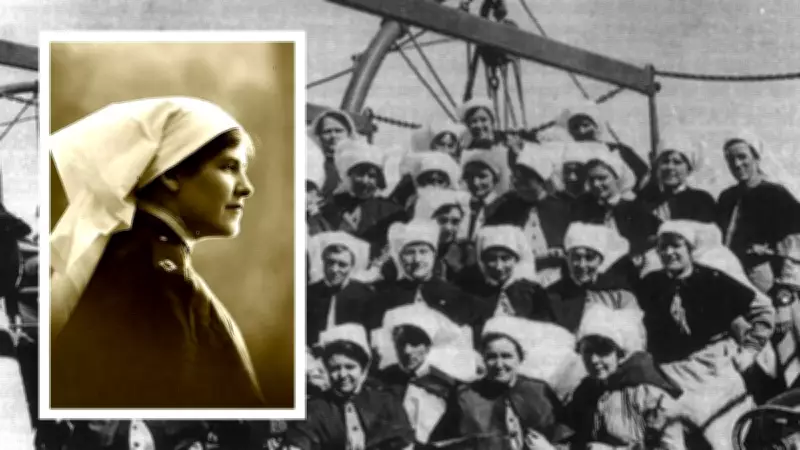
During the tumultuous years of World War I, a group of extraordinary women demonstrated unparalleled courage and dedication. These nurses, often overlooked in historical narratives, confronted not only the horrors of battlefield injuries but also the devastating Spanish flu pandemic that swept across the globe. Their story is one of resilience and sacrifice in the face of dual crises.
The Dual Threat on the Front Lines
As the war raged on, medical personnel were already stretched thin dealing with the catastrophic wounds inflicted by modern warfare. The arrival of the Spanish flu in 1918 added an unprecedented layer of danger. This influenza pandemic, one of the deadliest in human history, infected an estimated 500 million people worldwide and claimed tens of millions of lives. For nurses serving in military hospitals and field stations, this meant working in environments where contagious disease spread rapidly among already vulnerable patients.
These healthcare professionals faced immense risks daily, with limited protective equipment and medical knowledge about viral transmission. Despite these challenges, they continued to provide essential care, often putting their own health at grave risk. Their commitment ensured that soldiers received treatment for both combat injuries and flu symptoms, potentially saving countless lives through their unwavering service.

The Personal Sacrifices and Professional Challenges
Many nurses worked extraordinarily long hours in overcrowded facilities where sanitation was difficult to maintain. The psychological toll was significant, as they witnessed high mortality rates from both war wounds and influenza complications. Historical records indicate that some nurses themselves fell ill with the Spanish flu, yet they frequently returned to duty as soon as they were able, driven by a sense of responsibility toward their patients.
Their bravery extended beyond medical duties to include emotional support for soldiers far from home. In an era when mental health was poorly understood, these women provided comfort and compassion to traumatized men, creating moments of humanity amid the devastation of war and disease.
Legacy and Recognition
While individual stories vary, the collective contribution of these nurses represents a crucial chapter in both medical and military history. Their experiences highlight the intersection of healthcare and warfare, demonstrating how medical personnel adapt to extraordinary circumstances. Today, their legacy reminds us of the vital role that caregivers play during global crises, drawing parallels to modern healthcare challenges.
The narrative of these World War I nurses serves as a powerful testament to human resilience. By facing the dual threats of armed conflict and pandemic disease, they set a standard of professional dedication and personal courage that continues to inspire medical professionals and historians alike. Their untold story deserves recognition as a significant part of our understanding of twentieth-century history and the enduring spirit of those who serve in healthcare roles during times of extreme adversity.