The Decision for a Planned Caesarean
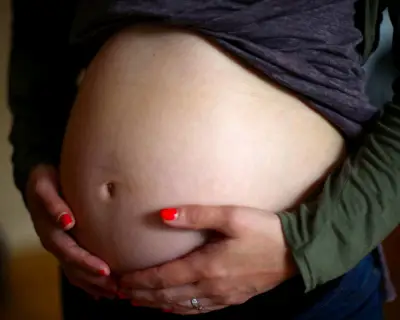
When I became pregnant with my first child, I knew from the start that I wanted a planned caesarean section. This was not a decision I made lightly, but one informed by my own health history and a deep-seated fear of the unpredictability of vaginal birth. The recent Ockenden and Amos reports, which have highlighted serious failings in maternity care, only reinforced my conviction that a scheduled operation was the safest option for me and my baby.
Understanding the Reports
The Ockenden report, published in 2022, examined maternity services at the Shrewsbury and Telford Hospital NHS Trust, revealing a shocking pattern of avoidable harm to mothers and babies. It found that many women were subjected to unnecessary interventions, including caesareans, that led to complications. Similarly, the Amos report, released in 2023, scrutinized the East Kent Hospitals University NHS Foundation Trust, uncovering a culture of blame and defensiveness that resulted in preventable deaths and injuries. Both reports emphasized the need for better communication and respect for women's choices.
Why I Still Chose a Caesarean
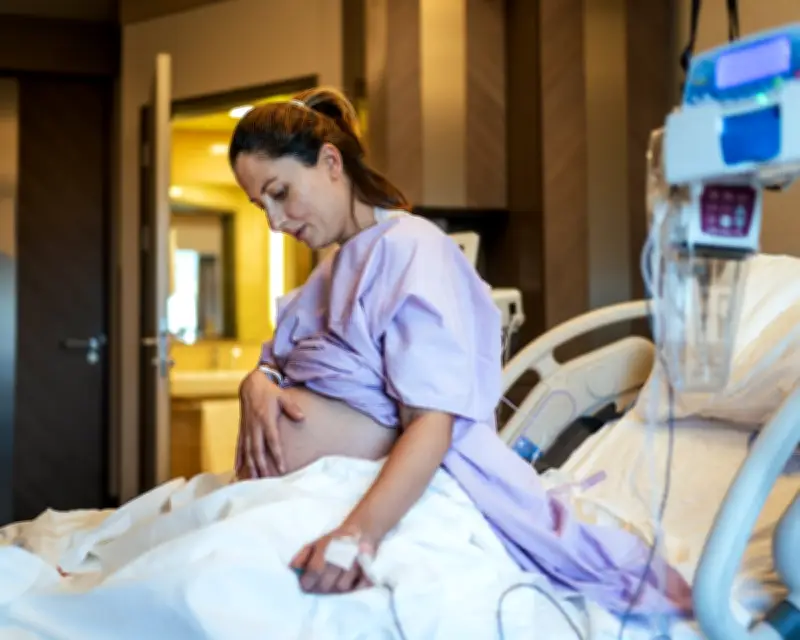
Critics might argue that these reports prove the dangers of unnecessary caesareans. But for me, the reports' findings about systemic failures in monitoring and emergency response actually strengthened my case. A planned caesarean, performed in a controlled environment with a skilled team, minimises the risk of emergency interventions that can go wrong. According to the Royal College of Obstetricians and Gynaecologists, planned caesareans carry a lower risk of heavy bleeding and blood transfusions compared to emergency caesareans.

Moreover, my own medical history includes a condition that made vaginal birth risky. My obstetrician supported my choice, explaining that a planned caesarean would reduce the chance of complications. The reports themselves note that women should be listened to and their preferences respected. For me, that meant having the birth I felt safest with.
The Broader Context of Choice
The Ockenden and Amos reports are crucial for improving maternity care, but they should not be used to dismiss women's autonomy. The key takeaway is not that all caesareans are bad, but that women must be fully informed and supported in their decisions. A 2023 study in the British Journal of Obstetrics and Gynaecology found that women who had planned caesareans reported higher satisfaction with their birth experience compared to those who had unplanned caesareans or complicated vaginal births.
Conclusion
My choice of a planned caesarean was not a rejection of natural birth, but a personal decision based on my circumstances and the evidence. The Ockenden and Amos reports, while highlighting systemic failures, also underscore the importance of respecting women's choices. As one midwife told me, 'A safe birth is one where the mother feels heard and respected.' That is what I achieved.