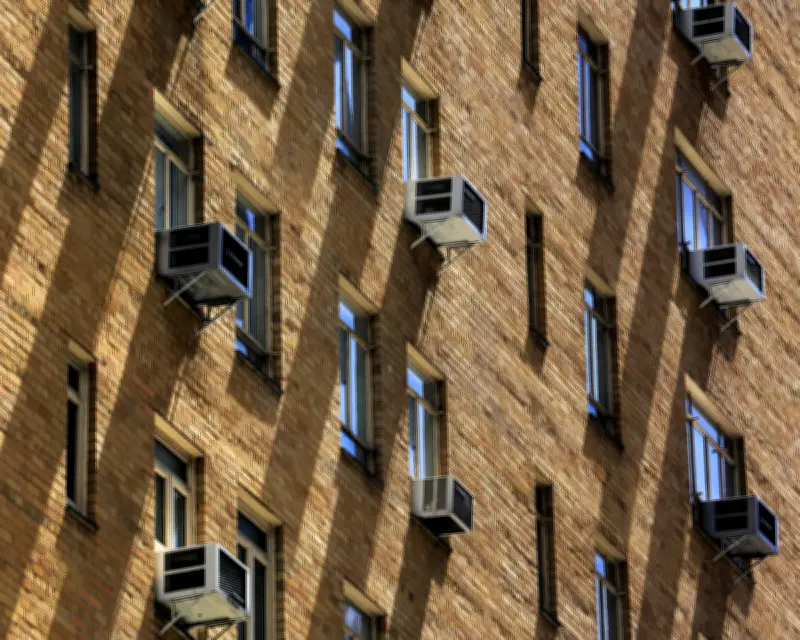
Selecting and maintaining a clean air conditioning unit is essential for both energy efficiency and indoor air quality. According to HVAC experts, neglecting routine cleaning can lead to reduced performance and potential health risks.
Why Clean AC Units Matter
Dirty AC units can harbor mold, bacteria, and allergens, which are then circulated throughout your home. A study by the National Institute of Environmental Health Sciences found that poor indoor air quality can exacerbate asthma and allergies. Regular cleaning improves air quality and can reduce energy consumption by up to 15%, according to the U.S. Department of Energy.
Choosing the Right Unit
When selecting an AC unit, look for models with high Seasonal Energy Efficiency Ratio (SEER) ratings and easy-to-clean filters. Portable units often have washable filters, while window units may require disposable filters. Central systems should have high-efficiency particulate air (HEPA) filters or electrostatic filters that trap smaller particles.

Filter Maintenance Tips
Filters should be checked monthly and cleaned or replaced every three months. Disposable filters need replacement, while washable filters can be rinsed with water and mild detergent. John Smith, an HVAC technician with 20 years of experience, advises: "A clogged filter forces the system to work harder, increasing energy bills and reducing lifespan."
Coil Cleaning
Evaporator and condenser coils collect dirt over time. Use a soft brush or vacuum to remove debris, then spray with a coil cleaner. Annual professional maintenance is recommended for central systems. Dirty coils reduce cooling efficiency and can cause the compressor to overheat.
Proper Placement
Window units should be installed level to allow condensation to drain properly. Ensure there is adequate airflow around the unit—avoid placing furniture or curtains too close. For central units, keep outdoor condensers clear of leaves and debris, and trim vegetation at least two feet away.
Signs Your AC Needs Cleaning
- Musty odors when the unit runs
- Visible dust or mold on vents
- Reduced airflow
- Higher energy bills
- Unit cycles on and off frequently
Health Benefits
Clean AC units reduce the circulation of allergens and irritants. The American Lung Association recommends regular HVAC maintenance to minimize indoor pollution. This is especially important for households with children, elderly, or individuals with respiratory conditions.
Professional vs. DIY
While filter cleaning is a simple DIY task, coil cleaning and ductwork should be handled by professionals. Annual professional inspections can identify issues like refrigerant leaks or electrical problems. The cost of a service visit typically ranges from $100 to $300, but it can prevent costly repairs later.
Conclusion
Maintaining a clean AC unit is a straightforward way to improve comfort, save money, and protect health. By following these expert tips, you can ensure your air conditioning system runs efficiently and provides clean, cool air all season long.