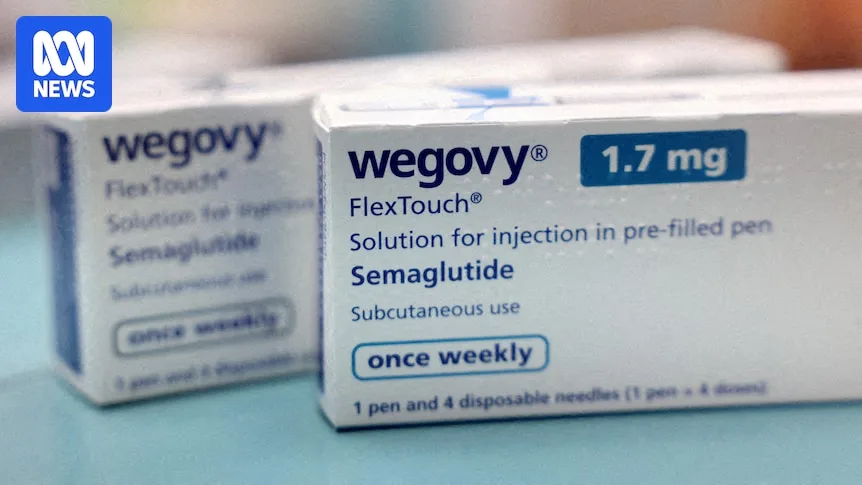
A Central Coast woman who lost three dress sizes and saw her severe migraines stop after using GLP-1 weight-loss medications is calling for an overhaul of restrictive Pharmaceutical Benefits Scheme rules, as the federal government confirms a major new listing.
A Personal Battle with Weight and Chronic Illness
Louise Troy, 41, from Kanwal, has used Ozempic, Wegovy, and Mounjaro over the past year. She describes the drugs' primary effect as quieting the 'food noise' that plagued her. Having lived with migraines since age 15, her weight steadily increased amid the stress of managing chronic illness.
'You can get depressed, feel crappy, not want to exercise and the weight creeps on,' Mrs Troy said. 'I've been through hell in a handbasket.'
Her health journey is complex, with doctors investigating whether she has type 2 diabetes, insulin-resistant PCOS, or both. Since starting the medication, her dress size has fallen from a 20 to a 14. Beyond weight and blood sugar control, the drugs had an unexpected benefit: they stopped her 'thunderclap' or 'suicide' migraines.
Expert Warnings and the Coming PBS Change
The push for wider access comes as Federal Health Minister Mark Butler confirmed Wegovy will soon be listed on the PBS for people with severe obesity and cardiovascular disease. However, industry experts are urging caution.
Ken Griffin, CEO of non-profit association AUSactive, supports a World Health Organisation call for governments to pair GLP-1 prescriptions with exercise. 'If taxpayers are funding these drugs for life, exercise must be part of the script,' Mr Griffin said. He warned that without physical activity, up to 60% of weight lost could come from muscle and bone mass, leading to frailty and future hospitalisations.
Mrs Troy has taken this advice to heart. 'The more weight I've lost, the easier it has become to exercise. I'm now walking and swimming regularly,' she said, adding she has had a bone scan to monitor her muscle and bone health.
The High Cost and Complexity of Care
Despite the benefits, accessing treatment remains a significant financial and logistical hurdle for many. Mrs Troy's blood sugar levels are half a point off qualifying for PBS-subsidised GLP-1 medication, a rule tied to Ozempic's 2020 listing for type 2 diabetes.
'I believe the PBS rules are far too restrictive,' she stated, questioning why patients must deteriorate further before qualifying. She also criticised a system where only an endocrinologist, not a GP, can approve the PBS script, forcing her to first try metformin, which caused severe side effects.
She currently pays around $400 monthly for Wegovy, plus specialist fees of $200 to $500 per visit. While she receives about $120 back from Medicare, the out-of-pocket costs are substantial. 'Thankfully I'm in a privileged position to be able to pay for that... but I have to budget,' she admitted.
Her care requires a small army of specialists: a gynaecologist, gastroenterologist, endocrinologist, dietitian, psychologist, and neurologist. 'I've had to build this wraparound care myself through research,' she said, using apps to track everything. She fears less-organised individuals would struggle immensely.
This aligns with calls from Professor Jennifer Martin, president of the Royal Australasian College of Physicians, for more collaborative care models as chronic illnesses pressure public hospitals. Mrs Troy echoes this, stating more funding is needed for 'critical wraparound care.'
While she manages gastrointestinal discomfort from the drugs, she finds these side effects manageable compared to the benefits. Her story highlights the tension between life-changing medical advances, systemic access barriers, and the need for holistic health strategies as new treatments reshape the landscape of chronic disease management in Australia.