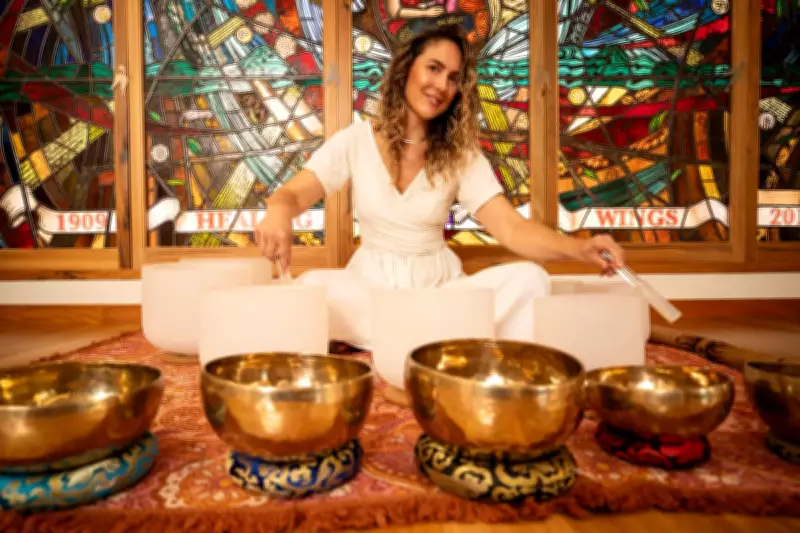
Perth Children's Hospital Expands Sound Healing to Support Parents and Carers
In the often hectic and high-pressure setting of Perth Children's Hospital, a new initiative is set to provide much-needed relief for parents and carers through the therapeutic power of sound. Starting next week, the hospital will offer free monthly sound healing sessions specifically designed for those supporting young patients, building on a successful program that has been available to staff for over two years.
Initiative Driven by Nurse-Turned-Therapist
The program is spearheaded by Ashe Burns, a paediatric nurse who now works in medical administration at Perth Children's Hospital and is also a certified sound therapist. Ms Burns founded her business, Sãdhana Sound Therapy, after sound healing helped her navigate personal challenges. She expressed her long-held vision to extend these sessions to colleagues and the families of sick children, stating, "I knew what it was like to be a nurse and to be so mentally and physically drained that I just knew that they needed this."
She emphasized the importance of supporting healthcare workers to ensure they can provide optimal care, while also addressing the burnout and overwhelm often experienced by parents. "We have all these beautiful children who need the love, support and care of their parents, but if they are burnt out, overwhelmed with life and just functioning in survival mode, which is completely understandable, how can we support them?" she added.

Funding and Community Support
The parents' sound healing sessions are funded by the PCH Foundation and supported by the hospital's Pastoral Care team. Carrick Robinson, chief executive of the PCH Foundation, highlighted the critical need for such initiatives, noting that families can spend weeks or months in hospital under significant emotional strain. "Meditation and mindfulness practices help build resilience, strengthen coping skills, and support emotional wellbeing – ultimately benefiting patients as well," he said. "Importantly, these sessions also foster connection and a sense of community among families, reminding them they are not alone."
Growing Interest in Sound Healing Across Australia
This move by Perth Children's Hospital reflects a broader surge in interest in sound healing, meditation, and therapy throughout Australia. Group sessions typically involve participants lying down to listen to instruments such as singing bowls, gongs, drums, tuning forks, or didgeridoos. According to the Australian Sound Healers Association, sound therapy uses vibrations and frequencies to promote health and healing, addressing physical and emotional imbalances often linked to repressed emotions.
Ms Burns attributes this resurgence to modern life pressures, including technology that keeps people constantly connected. "Many people are operating in a prolonged state of mental and emotional stress and overwhelm, and I think we are starting to see a wider understanding about how this has a direct impact on physical wellbeing, not just for adults but for younger generations as well," she explained.
Research and Evidence on Sound Healing Benefits
As sound healing gains popularity, research into its effects is gradually expanding. A 2025 systematic review of 19 clinical studies found that singing bowls could alleviate anxiety, depression, and improve sleep and cognitive function. Similarly, a 2022 US study of 62 participants reported significant correlations between sound healing sessions and reductions in tension and depression, alongside improvements in spiritual wellbeing.
Dr Gemma Perry, a postdoctoral researcher at Bond University specializing in the effects of chanting, noted that while evidence is still limited, the primary benefit likely stems from relaxation. "I would say that the real impact is the relaxation, and so any kind of healing or pain management or recovery or sleep would be coming through that ability of the sound to reduce anxiety and aid relaxation," she said. Dr Perry added that in a hospital setting, the unique sounds of instruments like singing bowls can engage the parasympathetic nervous system, promoting safety and slowing breathing, though research on physiological effects like heart rate and blood pressure remains inconsistent.

Alternative Practices for Everyday Wellbeing
For those unable to attend sessions, Dr Perry highlighted the proven benefits of simple humming. "There's really good research on the physiological and psychological benefits of humming," she stated, explaining that it stimulates nitric oxide in the nasal cavity, aiding immune and brain function. The vibrations from humming are thought to activate the vagus nerve, helping to calm the nervous system and restore body functions, with connections to early memories of comfort from infancy.
This initiative at Perth Children's Hospital represents a compassionate step towards holistic care, offering a sanctuary of sound for those navigating the challenges of pediatric healthcare.