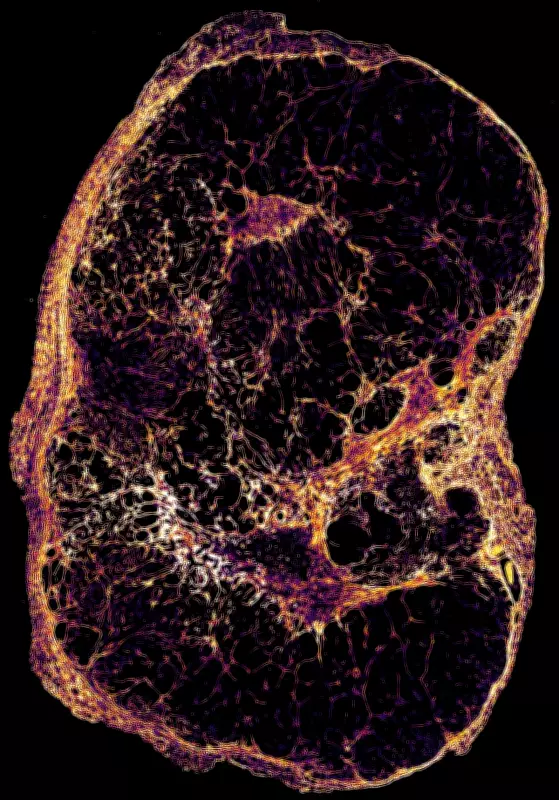
Slow-growing cancer cells that gradually form tumours over many years are behind devastating relapses of breast cancer, new Australian research has found.
Key Findings
Researchers from the Garvan Institute of Medical Research in Sydney discovered some breast cancer cells can resist therapy by growing extremely slowly rather than entering a dormant state. The research team spent years isolating these exceptionally slow-growing cells in the lab, where they discovered the slow growth rate did not limit the cancer’s ability to spread.
The slowly dividing cells create “micrometastases”, tiny secondary tumours, that are difficult to detect and often chemotherapy resistant once found. While first line treatment can neutralise fast-growing cancer cells, it is the slow-growing cells that survive and cause relapse much later. This provides researchers with some explanation as to why breast cancer can return many years after successful treatment, and forges a path towards uncovering new approaches to prevent metastasis.

Expert Commentary
“We have become very good at treating primary breast cancer, but late relapses remain a major challenge,” senior author and Garvan Institute lab head Associate Professor Liz Caldon said. “While we know some cancer cells can go into a state of complete hibernation, we characterised an important alternative pathway that enables cells to never truly stop dividing during treatment. Instead, they survive by growing extremely slowly in the background, until a tiny speck becomes a pebble.”
The research, published in Nature Communications, is especially relevant for patients with oestrogen receptor-positive breast cancer, which Breast Cancer Network Australia estimates makes up about 70 per cent of breast cancers. Even after being declared cancer-free, the potential for relapse can linger for years. Up to 30 per cent of patients develop an incurable relapse between five and 10 years after initial hormone therapy, a major contributor to the more than 3300 women who die from breast cancer nationwide each year.
Mapping these sinister slow-growth pathways opens further avenues for preventative research and treatment. “It took years to isolate these specific cells because they were dividing so slowly, almost in defiance of how we typically expect cancer to behave,” senior research assistant and first author of the study Kristine Fernandez said. “But once we observed them in action, we realised that a slow clock doesn’t mean a stopped clock. These cells were migrating to organs like the bone and lungs, proving that speed isn’t everything when it comes to metastasis.”
Funding Announcement
It comes as $4.4 million was confirmed for BreastScreen WA work in this year’s State Budget. “BreastScreen WA has had a massive impact right around Western Australia, with some three million women having been screened since 1989,” Preventative Health Minister Sabine Winton said on Tuesday. “Now we know that breast cancer, sadly, is the most common cancer for women, responsible for more than 21,000 new cases every year, and that’s why regular screening is such an important, important thing for women to do. We know early detection saves lives, and that’s exactly why this funding is so critically important.”