Perth Mother's Heartfelt Advocacy for ARFID Awareness
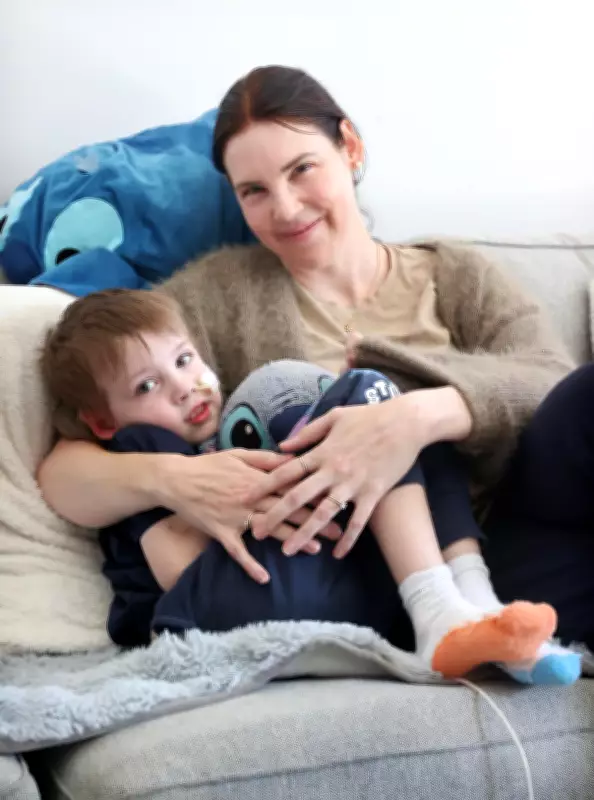
Tracey Jewel Constable, a Perth mother and former reality TV star, is bravely sharing her family's struggles to raise awareness about avoidant restrictive food intake disorder (ARFID), a condition affecting a growing number of Australian children. Her five-year-old son, Frankie, who is autistic, has been battling ARFID, leading to severe malnutrition and frequent hospitalizations.
The Reality of ARFID: Beyond Picky Eating
ARFID is an eating disorder characterized by an aversion or lack of interest in food, often due to sensory issues related to taste, texture, or smell, or fears around eating. Unlike disorders like anorexia, it is not linked to body image concerns and lacks a well-established treatment protocol. It commonly co-occurs with autism, adding layers of complexity to management.
In Perth, clinics report a significant rise in ARFID cases, with it now accounting for 40 to 50 percent of patients at the private Esus Centre. However, many families feel isolated and misunderstood, facing judgment from those who mistake the condition for mere picky eating.

Frankie's Journey: A Mother's Grief and Resilience
Frankie's fifth birthday last month was spent in Perth Children’s Hospital, where he received nutrition through a nasal tube due to his critical state of malnutrition. His safe foods, which once included items like crepes, dwindled to just one or two after a regression last year, necessitating medical intervention.
Sensory issues from his autism have caused Frankie to repeatedly pull out his feeding tube, leading to additional hospital stays. He is now awaiting surgery for a gastrostomy tube to allow feeding directly into his stomach. Tracey describes the experience as a rollercoaster, with constant vigilance and caregiver burnout.
"I was already at caregiver burnout, and now the pressure and stress of trying to get him to eat has been replaced with making sure he doesn’t pull out his tube," Ms Constable said. "My husband and I are learning all the medical stuff, and watching him like a hawk. It’s a rollercoaster, it’s like 10 steps forward and 12 steps back."
Advocacy and Support for Neurodivergent Families
As a mental health professional and former contestant on Married at First Sight, Tracey is using her platform to advocate for better understanding and support for families dealing with ARFID. She emphasizes the need for more resources and less stigma, hoping to spark conversations that lead to earlier diagnosis and intervention.
"I believe you go through experiences to help others, and I found it so incredibly difficult to find support," she explained. "I’m not a clinician, but hopefully I can start a conversation which might get them to ask the question to their GPs, or look at things a little bit differently."
Growing Demand and Treatment Challenges
Holly Tickner, a feeding therapist at Next Bite Paediatric Feeding Centre in Perth, notes a surge in referrals for ARFID, with services struggling to meet demand, especially for rural and remote families. She highlights the isolation and blame parents often face, as the disorder is frequently misunderstood.
"Families of children with ARFID often face a unique and complex set of challenges. Many parents report feeling isolated, misunderstood or blamed, as ARFID is not well understood and can be mistaken for ‘picky eating’ or a parenting issue rather than a serious feeding disorder," Ms Tickner said.
In response, the Esus Centre is launching a new 10-week day program for adults with ARFID, focusing on neuro-affirming, multidisciplinary care. Psychiatrist Vash Singh stresses that ARFID requires a distinct treatment approach, tailored to neurodiverse individuals, particularly those with autism.
Research and Hope for the Future
Dr Jim Hungerford, CEO of the Butterfly Foundation, acknowledges ARFID as one of Australia's least understood eating disorders, with increasing prevalence. He praises a new treatment model from the Murdoch Children’s Research Institute, which combines Family-Based Treatment with emotional support, showing promise in improving symptoms and weight in teenagers.

Dr Claire Burton from MCRI explains that this therapy addresses co-occurring emotional disorders, helping patients build resilience and achieve healthier outcomes. As awareness grows, families like Tracey's hope for more accessible and effective support systems to navigate this challenging journey.