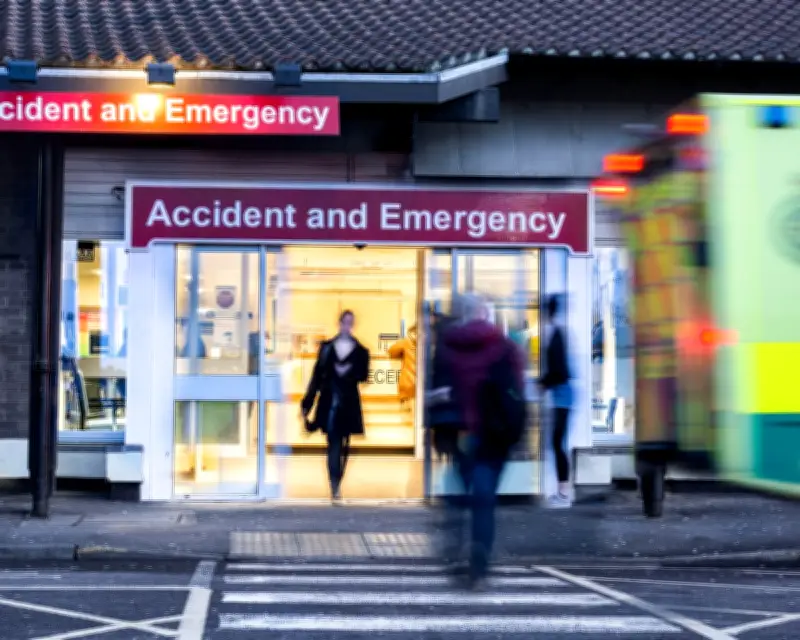
Patients with non-urgent ailments who visit A&E may be advised to return later under new NHS plans aimed at preventing hospitals from becoming overcrowded and averting the typical winter crisis. Jim Mackey, NHS England’s chief executive, announced on Wednesday that all hospitals should implement a “hi-tech concierge service” to manage emergency department demand.
Digital Triage Implementation
Eighteen hospitals in England are already using “digital triage assessment” to help A&E staff determine which patients need immediate care and which can be managed differently. Patients with minor ailments who can wait are told to come back later that day or the next day, or are referred to community-based services such as a GP or pharmacy.
Speaking at the NHS ConfedExpo conference in Manchester, Mackey stated that patients will see “really big change ahead from us in the next few months” in how urgent and emergency services operate. He described increasing the use of bookable appointments as “a personal obsession of mine,” aiming to reduce long delays for patients.

Benefits of Bookable Appointments
Mackey believes that shifting to more bookable slots will “bring more order” to services that are frequently overwhelmed, especially during winter. The Royal College of Emergency Medicine recently disclosed that over 1,300 patients per month die due to overcrowding in A&E units in England.
With digital triage, patients input details of their illness into online hospital information systems upon arrival. This helps staff assess their condition and decide the best course of action. East Lancashire teaching hospitals NHS trust reported that the triage tool reduced average waiting times from 178 minutes to 94 minutes, nearly halving the wait.
NHS England stated, “The new approach is designed to end the uncertainty of not knowing how long you’ll be expected to wait while ensuring ED doctors can focus on those who need urgent treatment most.”
Call for Nationwide Adoption
Mackey urged all NHS trusts to follow the lead of the 18 hospitals already using this method. Patients who do not receive immediate A&E care can be given appointments with physiotherapists, mental health services, or same-day emergency care units. “The big prize for this coming winter is shifting to introducing many more appointments into urgent care,” he added, noting that combining booked appointments with digital triage could have an “enormous” beneficial impact on both patients and staff during the cold season.
NHS England could not specify how many patients at the 18 hospitals are redirected, but a source said the change has been well-received: “Generally having a better sense of when you’ll be seen, and getting booked into the right service more quickly, is positive.”
Patient Advocacy Concerns
Rachel Power, chief executive of the Patients Association, cautioned that digital triage may not suit all patients. “As digital triage rolls out more widely, it must work for all patients, not just the digitally confident. Older patients, those with disabilities, and people with limited digital access must never be disadvantaged because they couldn’t use a kiosk or a tablet,” she said.
She emphasized that patients who are redirected or given later appointments need explicit, easy-to-understand information about what to do if their condition deteriorates, who to call, where to go, and how quickly to act. “Without that safety-netting, vulnerable patients risk falling through the cracks. The ambition is right but patients and their experience must be at the centre of how these reforms are designed and delivered, not just the beneficiaries of them.”