New Pelvic Floor Service Launches to End Long Travel for Regional Patients
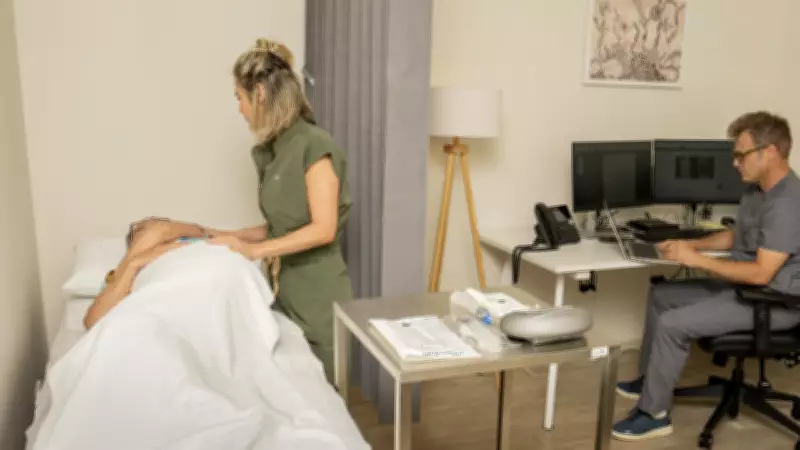
A groundbreaking new pelvic floor service has been introduced in regional Australia, specifically designed to eliminate the extensive travel burdens faced by patients requiring specialised care. This initiative marks a significant step forward in improving healthcare accessibility for individuals living in remote and rural areas, who have historically had to undertake long and costly journeys to access essential medical services.
Addressing Regional Healthcare Gaps
The service aims to provide comprehensive pelvic floor assessments and treatments locally, reducing the need for patients to travel to major cities. By offering these specialised services closer to home, the program seeks to enhance patient convenience, reduce financial strain, and improve overall health outcomes. This move is part of a broader effort to bridge the healthcare gap between urban and regional communities, ensuring that all Australians have equitable access to quality medical care.
Benefits for Patients and Communities
Patients in regional areas will now benefit from shorter travel times, less disruption to their daily lives, and more timely access to care. The service includes a range of treatments for pelvic floor disorders, which can affect both men and women, such as incontinence and pelvic pain. By localising these services, the initiative also supports local healthcare providers and boosts the regional economy through increased medical tourism and job creation.

- On-site consultations with specialised pelvic floor therapists
- Advanced diagnostic tools for accurate assessments
- Personalised treatment plans tailored to individual needs
- Follow-up care and support to ensure long-term recovery
Future Implications and Expansion
The launch of this service is expected to set a precedent for other regional areas, potentially leading to similar initiatives across Australia. It highlights the importance of investing in regional healthcare infrastructure to address the unique challenges faced by remote populations. As the service grows, it may incorporate telehealth options and community outreach programs to further enhance accessibility and education about pelvic health.
In summary, this new pelvic floor service represents a vital advancement in regional healthcare, offering a practical solution to the long-standing issue of patient travel. By bringing specialised care closer to home, it promises to improve the quality of life for many Australians and foster healthier, more resilient communities in regional areas.