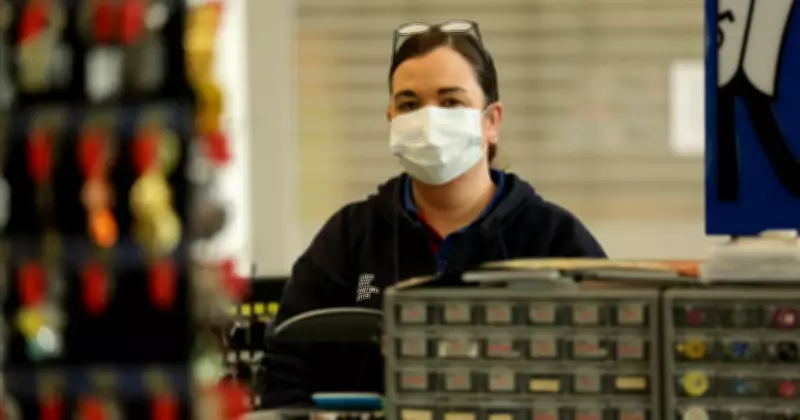
Face Masks Exacerbate Healthcare Challenges for Deaf Canberrans
Since the COVID-19 pandemic, face masks have become as commonplace as hand sanitiser in healthcare settings across Canberra. However, their widespread use has inadvertently created significant communication barriers for the deaf community, compounding existing accessibility issues within the healthcare system.
Communication Barriers Amplified
DeafACT secretary Louise Irvine has highlighted how face masks have made healthcare access particularly difficult for deaf patients. "Facial expressions and mouth patterns are such an important part of communication in Auslan," Ms Irvine explained. "When these visual cues are obscured by masks, it creates additional challenges for deaf individuals trying to communicate with healthcare providers."
The problem extends beyond just mask-wearing. Ms Irvine noted that deaf patients frequently encounter multiple barriers including:

- A lack of booked Auslan interpreters during appointments
- Assumptions that all deaf patients can easily read English
- Poor lighting in consultation rooms that hampers visual communication
- Fast-talking practitioners who don't adjust their pace
- Booking systems that require phone calls
- Waiting rooms that only announce names verbally
"Even well-intentioned moments like staff talking while facing away or speaking to the interpreter instead of directly to the deaf person can make communication more difficult," Ms Irvine added.
Digital Health Record Improvements
In response to these challenges, Canberra Health Services has introduced new accessibility features within the Digital Health Record system. Patients can now voluntarily add accessibility requests to their MyDHR account before hospital or health centre visits.
The questionnaire includes questions such as:
- "Do you have any difficulty doing daily activities related to a long-term health condition or disability?"
- "Do you require any additional assistance during your inpatient stay or during your appointments?"
Patients can select from various options including difficulties with seeing, hearing, or reading and writing. They can also specify what assistance they might need during appointments, such as:
- Use of specific equipment
- Personal care assistance
- Help finding their way around the hospital
- Adjustments to appointment locations or times
Practical Adjustments Making a Difference
Ms Irvine welcomed these changes, emphasising that "simple practical adjustments" can significantly reduce healthcare stress for deaf patients. These include:
- Using SMS or email instead of phone calls for communication
- Implementing muted alerts in waiting areas
- Ensuring good lighting in consultation rooms
- Providing captioning or written notes as options
- Staff communicating at a supportive pace
- Healthcare providers speaking directly to deaf patients
"When staff communicate at a supportive pace, speak directly to the deaf person and make sure they can see them clearly and remain open and flexible, it creates a safe and inclusive environment," Ms Irvine said.
System-Wide Accessibility Benefits
Health Minister Rachel Stephen-Smith acknowledged that people with disabilities often experience poorer healthcare outcomes. "We know that people with disabilities often experience poorer health outcomes and have more complex health needs," the minister stated. "Asking whether a person identifies as having a disability, and understanding their access needs, is essential to delivering truly person-centred care."
The government has committed that Canberra Health Services will make reasonable adjustments to their usual processes, communication methods, or environments to help patients access healthcare. These adjustments could include:

- Simplifying language used in communications
- Using large print handouts
- Adjusting appointments to ensure carers can attend
- Ensuring wheelchair accessibility
- Utilising low-sensory areas when possible
Health literacy officer C Moore from the Health Care Consumers' Association noted that gathering this information could benefit the entire healthcare system. "Gathering this information will help to increase the visibility of people with disability within health system data," they explained. "We hope this will be used to promote ongoing improvements that make healthcare safer and more accessible for everyone."
Ms Irvine concluded that these changes demonstrate Canberra Health Services is "listening to our community, learning from our lived experience, and embedding accessibility into everyday practice." The initiative represents a significant step toward creating a more inclusive healthcare environment for Canberra's deaf community, addressing both the immediate challenges posed by face masks and broader accessibility issues within the system.