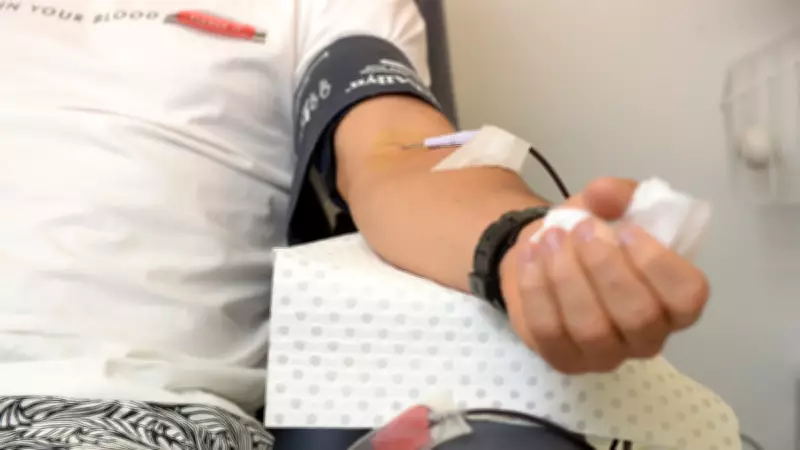
Major Overhaul of Blood Donation Eligibility Welcomes Gay and Bisexual Men
In a landmark move towards inclusivity, new rules have been implemented that now permit some gay and bisexual men to donate blood in Australia. Starting from Monday, all potential donors will be asked identical sexual activity questions in the pre-donation questionnaire, regardless of their gender or sexual orientation. This change represents a significant shift from previous policies that had long restricted many individuals within the LGBTQIA+ community.
Ending Decades of Exclusion
Prior to this update, numerous people in the LGBTQIA+ community were barred from donating blood if they had engaged in sexual activity within the three months leading up to their donation attempt. Under the revised guidelines, these individuals will be eligible to become donors if they are in a committed, long-term relationship. This adjustment aims to dismantle barriers that have historically marginalized certain groups while maintaining the highest standards of safety.
Lifeblood CEO Stephen Cornelissen AM emphasized the collaborative effort behind this change, stating, "This is something we've been researching and working on for some time together with governments, LGBTQIA+ advocacy groups and the broader community." He expressed enthusiasm about the prospect of welcoming many new donors into donation centers to contribute blood and platelets, highlighting the organization's commitment to fostering a more inclusive environment.

Addressing Past Challenges and Looking Forward
Cornelissen acknowledged the difficulties posed by previous regulations, noting, "We know previous rules have been difficult for people in the LGBTQIA+ community, so we'd like to thank them for their support during this journey towards a more inclusive donation experience." He expressed hope that this change will encourage more people to feel welcomed and motivated to sign up as blood donors, thereby enhancing the nation's blood supply.
Despite these progressive steps, patient safety remains a paramount concern. Cornelissen clarified that some individuals will still need to wait before becoming eligible, ensuring that all donations meet rigorous health standards. However, for those who remain ineligible under the new blood donation criteria, an alternative pathway has been established: they can donate plasma instead, thanks to changes implemented last year.
Expanding Plasma Donation Opportunities
The plasma donation modifications, introduced previously, have already yielded positive results. They allow sex workers and members of the LGBTQIA+ community to donate plasma even if they have had sex in the past three months. This initiative has led to an impressive 10,000 donations from 3,000 new donors, significantly bolstering the plasma supply.
Cornelissen underscored the evidence-based foundation of these changes, stating, "These two changes are underpinned by research and evidence that demonstrate safety, and together, will allow the greatest number of people to donate blood and plasma." He reflected on the historical context, noting that while past rules were designed to ensure a safe blood supply, they inadvertently contributed to stigma. He expressed optimism that today marks a turning point for Lifeblood and the LGBTQIA+ community, fostering a more welcoming atmosphere for all potential donors.
This comprehensive update not only expands eligibility but also reinforces the importance of community engagement and scientific rigor in shaping health policies. As Australia moves forward, these changes are expected to enhance donation rates and promote greater equity in healthcare access.