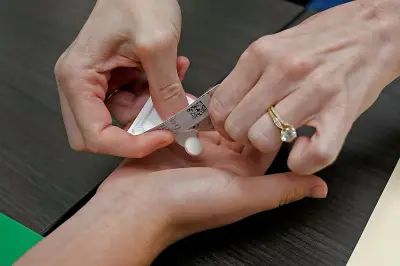
People suffering from long-term depression or post-traumatic stress disorder have been receiving an unconventional treatment in recent years: drugs more commonly associated with partying. MDMA and psilocybin have been legally used in therapy under specific circumstances since a world-leading measure by the Therapeutic Goods Administration (TGA) in 2023. These typically illicit substances, often linked to raves and bush doofs, have proven transformative for some individuals who have struggled for decades.
However, an expert warns that the TGA's plans to broaden the scope of who can administer the treatment could lead to disaster. Clinical psychologist Shai Hipperson, founder of the Gold Coast-based Conscious Mind Centre, has been using both drugs in therapy sessions for just over a year. She told 7NEWS.com.au that the drug therapy is not a miracle cure but often a last resort for patients confronting their most traumatic experiences.
“These medicines don’t erase what happened to you, and some people have endured horrific things in life,” Hipperson said. “They bring those experiences to the surface. They aren’t a one-size-fits-all magic bullet—it is very hard work. But it can be highly rewarding for patients to embark on this journey.”

Strict eligibility process
To qualify for the treatment, a patient must have first tried two different antidepressants and undergone another form of therapy without success. An extensive evaluation then determines if the patient is suitable for therapy in an heightened emotional state.
“We’re dealing with highly vulnerable trauma patients—not the typical ‘feeling a bit low,’ but complex mental health conditions that haven’t responded to standard treatment,” Hipperson said.
Once approved, the patient takes either MDMA or psilocybin and participates in an intensive eight-hour therapy session. MDMA is used for PTSD patients as it numbs the amygdala, the brain’s emotional response center, allowing individuals to confront past traumas without emotional shutdown. Psilocybin is used for depression as it enables the brain to form new neural pathways.
“Psilocybin reconnects all brain networks simultaneously, scattering signals around the brain,” Hipperson explained. “This disrupts ruminating or looping thoughts about self-worth or identity, giving patients a reset to view life from a different perspective.”
Patient success story
Conscious Mind Centre patient Duncan Livingston suffered from a complex combination of PTSD and depression for over four decades, stemming from childhood abuse. After numerous antidepressants, therapy sessions, and time in a mental health unit, he turned to this treatment as a last resort. He underwent three sessions—two with MDMA and one with psilocybin—and says it transformed his life.
“MDMA allowed me to revisit past memories, including traumatic ones, but they weren’t traumatic to handle,” Livingston said. “It felt like reliving experiences, both good and bad, but as an observer rather than being re-traumatized. That made talk therapy work for the first time in 40 years.”
The final psilocybin session provided a psychedelic, spiritual experience that mentally “broke the cycle” of his depression. “It showed me that wishing I wouldn’t wake up when life got tough was silly,” he said.
Concerns about widening access
While both Livingston and Hipperson support the treatment, they stress it must be handled with extreme care to avoid harm. Hipperson warned against expanding the scheme, as inexperienced doctors could cause damage.
“Doing this in a clinical setting with properly trained practitioners is vital. While these medicines are generally safe, they can be very unsafe for many people,” Hipperson said.
In May, the TGA proposed four changes to the program following a nine-month consultation, aiming to improve accessibility. These include guidelines on the experience of the overseeing psychiatrist, allowing the psychiatrist to leave after dosing, and requiring the clinic to be within 15 minutes of a hospital emergency department. The changes are intended to enhance safety and reduce costs by broadening who can lead treatment.

Under the proposal, any professional registered with the Psychology Board, Medical Board, Nurse and Midwifery Board (with mental health experience), or Occupational Therapy Board could administer the treatments, provided their practice includes “psychedelic-assisted psychotherapy.”
However, Hipperson fears the scope has been widened too much, risking patient harm. She raised concerns about a medical practitioner with minimal experience handling a patient having a bad reaction without a psychiatrist present.
“We’ve had several patients go through very difficult times,” Hipperson said. “Their distress lasted for a period, and it can be overwhelming under the medicine. If facilitators are anxious or overwhelmed, patients feed off that, worsening the situation. While these skills can be taught, foundational knowledge is crucial for good delivery and outcomes.”
She also noted that the requirement for clinics to be near hospitals could limit access for regional Australians. “Metropolitan hospitals are in specific areas, so clinics will concentrate in cities or large towns. Regional and rural areas will still miss out, so access isn’t expanding—it’s becoming more concentrated.”
The TGA has been contacted for comment.