One in three Australian women experiences birth trauma, and advocates are now calling for mandatory training for all maternity staff, warning that the way women are treated and spoken to during labour can have lifelong consequences.
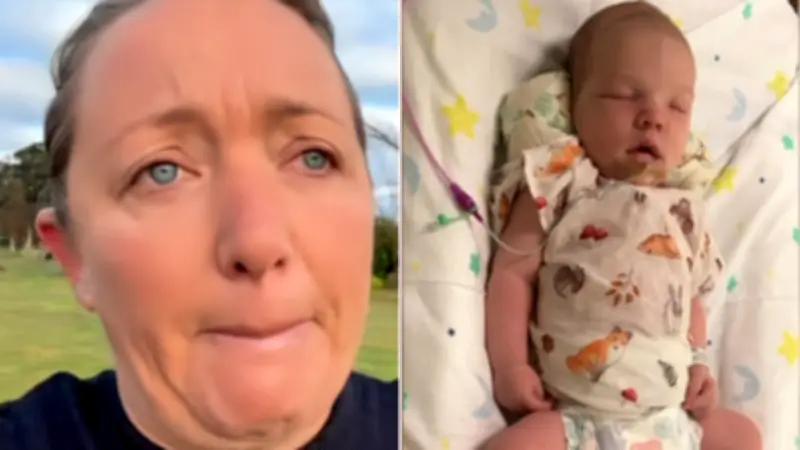
Mother Alana Starkie lost her newborn son Tommy after just 23 days of life, following a traumatic birth at a Perth hospital last year that left him with severe brain damage. In one of the last videos she would take of her son, Tommy struggles to breathe.
“He only lived for 23 days and then he passed away again because his brain damage was too severe,” Starkie said. She claims staff were silent during the tragic ordeal, failing to communicate the severity of the situation. “Our son was dying inside me. We were never told once that he was struggling. Not once,” she said. “The operating theatre was just across the corridor. They could have wheeled me there in 10 seconds. We had a right to know.”

Psychological toll of birth trauma
While advocates say birth emergencies can’t always be prevented, they believe better communication can help. A national campaign launching next week will highlight the psychological toll of birth trauma, revealing it’s now linked to PTSD in almost one in five women.
“Women will say over and over again, gee, that was scary, but the way that they interacted with me, the way that they communicated the whole way through, remember that I was a person, made all the difference,” Maternity Consumer Network’s Alecia Staines said.
Call for mandatory respectful communication training
Advocates are now calling for every maternity health professional to receive urgent training in respectful communication, saying psychological safety should be treated just as seriously as physical safety during childbirth. “There has been so much training in the clinical skills that some of these person skills have actually fallen by the wayside. And it is just remembering that these women are actually humans and they just want a good experience,” Staines said.
Peak body concedes gaps in postpartum care
The peak body representing obstetricians concedes not enough is being done to help women postpartum, holding a roundtable with experts last week and calling for maternity care to extend a year after birth. Ten months on, Alana knows the trauma will stay with her forever. “He’d be here now, he’d be walking around,” she said. She’s hoping her story will inspire change in hospitals across the country.