Transform Your Garden with a Simple Pond and Water Lilies: A Step-by-Step Guide
Easy Guide to Adding Water Lilies and a Pond to Your Garden

Transform Your Garden with a Simple Pond and Water Lilies

Adding a pond to your garden can be a game-changer, attracting wildlife like dragonflies and birds while creating a serene focal point. For many, it becomes a family favorite, with children eagerly watching fish dart through the water. But the real soul of such a space often lies in the elegant presence of water lilies, which add depth and anticipation to your garden walks.

Why Water Lilies Are a Must-Have for Your Garden

Water lilies are not just beautiful; they enhance planting schemes by introducing a dynamic element. As flowers slowly rise to the surface, they bring a sense of wonder and anticipation. These plants are surprisingly low-maintenance once established, making them an ideal choice for both novice and experienced gardeners.

Getting Started: Choosing the Right Container

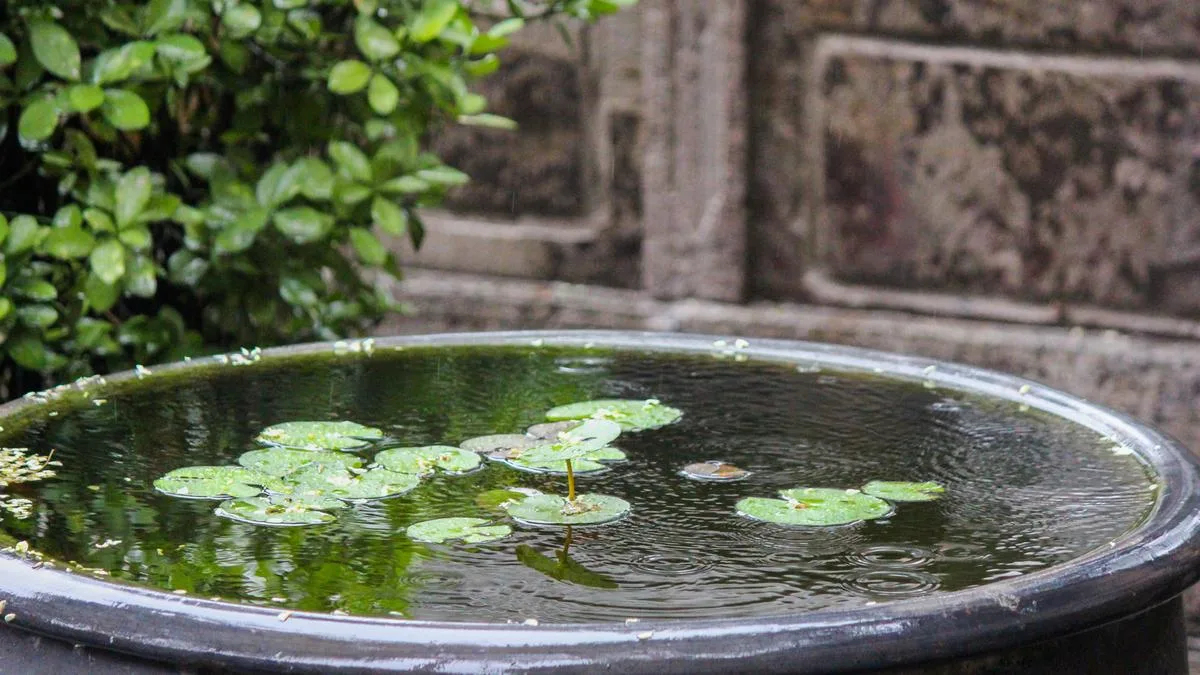
To begin, select a large container that can hold water effectively. Options include glazed ceramic pots, half wine barrels, troughs, or sturdy plastic tubs. The key is size—aim for at least 1 meter across and 60 centimeters deep, as a greater volume of water ensures stability and better conditions for plant growth.

Sunlight and Placement Tips

Water lilies thrive in sunlight, requiring at least 5-6 hours of direct sun daily to produce abundant flowers. Too much shade will result in lush leaves but few blooms. Choose your spot carefully, as moving a water-filled pot is challenging once set up.

Simple Setup: Pumps, Filters, and Water Conditions

Keep your pond simple by avoiding pumps and filters, as water lilies prefer still water. This approach allows fish waste to naturally fertilize the plants, while the plants provide oxygen for the fish. It creates a balanced ecosystem where fish can also feed on mosquito larvae.

Planting Water Lilies Correctly

Never use standard potting mix for water lilies, as it is too light and will float. Instead, opt for an aquatic planting mix, available at aquarium shops, which resembles brown fertilizer pellets. Use a wide, shallow planting basket or pot with holes, filling it about three-quarters with soil.

Position the lily's rhizome at a slight angle with the growing tip facing upward and just at the surface. Firm the soil gently without burying the crown too deeply. Top dress with washed gravel to prevent soil from clouding the water and protect roots from fish disturbance.

Lowering and Positioning in the Pond

Gently lower the planted basket into the pond, ensuring the crown sits 10–15 centimeters below the surface initially. Use bricks or upturned pots to adjust the height. As the plant establishes, you can lower it deeper if needed, with most dwarf and small lilies thriving in water 20–40 centimeters deep.

Maintenance and Algae Management

Once established, water lilies require minimal upkeep. Regularly remove yellowing leaves and spent flowers to prevent rot and discourage algae. In the early stages, some algae formation is normal; as lily leaves spread and shade the surface, the water will naturally balance. Aim for 60–70 percent foliage coverage to keep water cool and reduce evaporation.

For ongoing care, replace a few buckets of water weekly, using the old water to irrigate your garden. This helps maintain water quality without disrupting the ecosystem.

Enhancing Your Pond with Fish and Fertilizers

Once foliage coverage is adequate, consider adding fish to control insect larvae. Their waste will feed the plants, but you may need to supplement with aquatic fertilizer tablets placed near the roots to ensure continuous flowering.

Softening Edges with Complementary Plants

To create a natural, layered look, incorporate native fringe lily (Nymphoides species), also known as Water Fringe. While not a true water lily, it thrives in similar conditions, offering smaller floating leaves and delicate, frilled yellow flowers. It spreads gently without overwhelming small ponds, complementing bolder tropical lilies beautifully.

By following these steps, you can transform your garden into a tranquil oasis with a simple pond and stunning water lilies, enhancing both aesthetics and biodiversity.