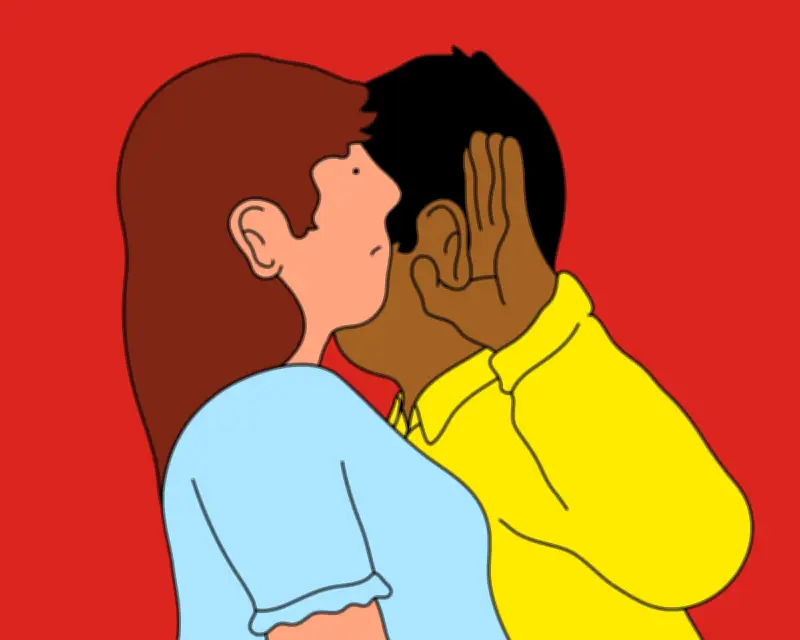
A reader, let's call them Alex, recently received a free promotional item—a high-end blender—through a work perk. Generously, Alex offered to split the blender with a close friend, Beth, giving her half the proceeds from a sale they agreed upon. But Beth's response was less than enthusiastic: she didn't express any gratitude for the offer or the split. Now Alex is wondering: should Beth be expected to show thanks, or is Alex being too sensitive about the whole thing?
The scenario: a freebie split
Alex's company gave away blenders as part of a marketing campaign. Alex, not needing two, proposed to Beth that they sell one and split the money—roughly $100 each. Beth agreed, but when the sale went through, Beth simply took her share without a word of thanks. Alex feels slighted, arguing that a simple 'thank you' is basic courtesy, especially since the opportunity came from Alex's generosity. Beth, on the other hand, might see it as a straightforward transaction: she helped facilitate the sale and took her cut.
What the experts say about gratitude in friendships
Etiquette expert and author of "The Art of Manners," Sarah Jenkins, says that gratitude is a cornerstone of healthy relationships. "Even in a transactional situation, acknowledging someone's thoughtfulness goes a long way. Beth could have said, 'Thanks for thinking of me,' or 'I appreciate you including me in this.'" Jenkins notes that the absence of thanks can erode goodwill over time. However, clinical psychologist Dr. Mark Chen adds that expectations can differ. "Some people view such splits as equal partnerships—both parties contribute, so no extra thanks are owed. But the key is that Alex initiated the offer; that deserves recognition."

The judge's verdict: gratitude expected
In this case, the judge rules that Beth should have expressed gratitude. The freebie was Alex's to keep entirely; by sharing it, Alex bestowed a benefit. Beth's lack of thanks may seem minor, but it reflects a disregard for Alex's generosity. The judge suggests Alex gently communicate feelings: 'Hey, I was happy to share, but a thank you would have meant a lot.'
According to a 2023 survey by the Friendship Institute, 78% of people say they feel valued when friends express gratitude for shared opportunities. Only 12% think thanks are unnecessary in such splits. So while Beth may not have intended rudeness, her omission is out of step with common social norms.
How to handle similar situations
If you're in Alex's shoes, consider setting expectations upfront. For example, say, 'I'm glad to share this with you—I'd appreciate a thank you if you're happy with the arrangement.' If you're Beth, recognize that a small acknowledgment can strengthen the bond. As Dr. Chen puts it, "Gratitude is the glue that keeps friendships sticky."