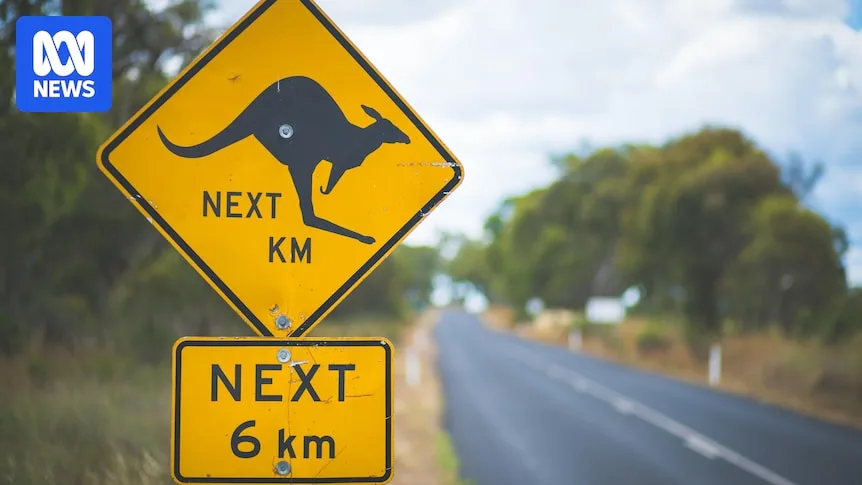
The City of Wanneroo has installed 250 wildlife warning signs on roads across the municipality, aiming to reduce collisions between vehicles and animals. The signs feature silhouettes of native species such as kangaroos, koalas, echidnas, and wombats, and are intended to alert drivers to potential hazards.
However, research suggests that traditional wildlife signage may be ineffective. According to insurer AAMI, there were 17,000 animal collision claims across Australia in 2022, and an estimated 4 million marsupials are hit on roads each year. Professor Darryl Jones from Griffith University, who has studied wildlife signage for 20 years, says the evidence is unequivocal that such signs make no difference to collision rates.
Professor Jones notes that drivers become habituated to the signs, ignoring them when animals are not regularly seen. The ACT government has stopped using wildlife signs in urban areas for this reason. Mark Boulet, a researcher studying boatie behaviour, adds that signs must clearly instruct drivers on what action to take, rather than simply raising awareness.

Digital smart signs are emerging as a more effective alternative. Redland City Council in Queensland has installed smart koala signs that detect approaching cars and signal drivers to slow down if a tagged koala is near the road. These signs can also display personalized messages, such as a vehicle's number plate, to encourage compliance.
Wildlife fencing and land bridges are other measures being considered to mitigate the barrier effect of roads, which limits animals' ability to move safely. However, fencing can create absolute barriers, while land bridges offer a promising solution for safe passage.