Australians are increasingly turning to natural burials and sustainable coffins as environmental awareness reshapes end-of-life practices. The shift reflects a broader desire to reduce the ecological footprint of death care, with options ranging from biodegradable caskets to burial sites that double as conservation areas.
Growing Demand for Eco-Friendly Options
According to the Australian Funeral Directors Association, inquiries about natural burials have risen by 30% over the past five years. This trend is particularly strong among younger generations, who prioritize sustainability even in death. Traditional burials involve embalming fluids, concrete vaults, and non-biodegradable caskets, contributing to significant environmental impact. In contrast, natural burials eschew these practices, allowing the body to decompose naturally and enrich the soil.
"People are thinking more about their legacy and the planet they leave behind," said Sarah Thompson, a funeral director in Melbourne. "They want their final act to be one of giving back, not taking."

Innovations in Sustainable Coffins
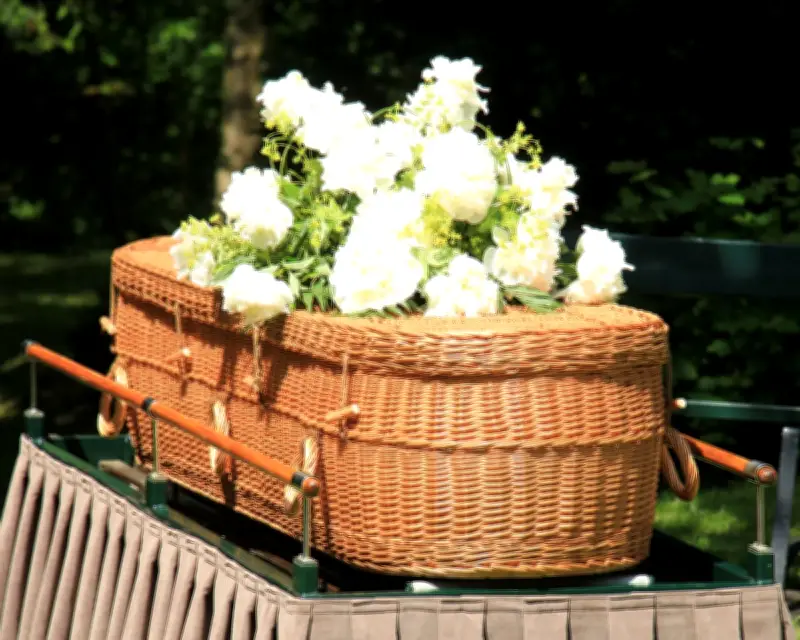
Manufacturers are responding with a range of eco-friendly coffins made from materials like bamboo, willow, recycled cardboard, and even mushroom mycelium. These products are designed to break down quickly and safely. A bamboo coffin, for instance, can decompose in as little as two years, compared to decades for traditional hardwood caskets.
"We've seen a 40% increase in sales of our biodegradable coffins over the last year," said Michael Chen, owner of GreenBurial Coffins in Sydney. "Customers are willing to pay a premium for products that align with their values."
Natural Burial Grounds Multiply
The number of natural burial sites in Australia has grown from just a handful a decade ago to over 50 today. These sites often double as nature reserves, with native trees and plants replacing traditional headstones. The first natural burial ground in New South Wales opened in 2015 and is now fully booked. Similar sites are planned in Queensland and Victoria.
"Natural burial grounds provide a peaceful, beautiful resting place that also conserves the environment," said Dr. Emily White, an environmental scientist at the University of Sydney. "They offer a meaningful alternative for those concerned about the ecological impact of conventional burial."
Regulatory and Cultural Challenges
Despite growing interest, natural burials face regulatory hurdles. Some states require burial depths that inhibit decomposition, and zoning laws can limit where natural burial grounds can be established. However, advocacy groups are pushing for legislative changes to accommodate the practice.
Cultural attitudes are also evolving. "Death is becoming less of a taboo subject," said Thompson. "People are having conversations about what they want, and sustainability is a big part of that."
As the industry adapts, experts predict that natural burials will become a mainstream option within the next decade, driven by both consumer demand and environmental necessity.