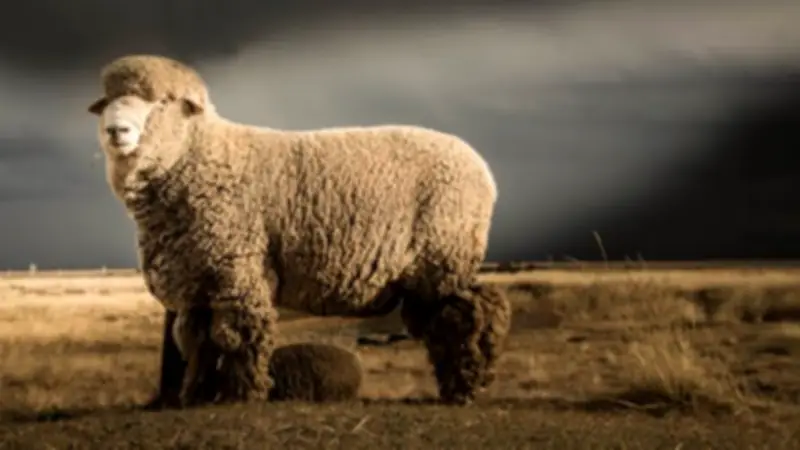
As winter sets in, many of us reach for cosy jumpers, snug base layers, and anything that can soften the bite of cold mornings. That is where merino wool excels. It is warm, comfortable, and surprisingly adaptable, making it a smart choice for days when the weather cannot quite decide what to do. But what exactly makes it such a superior material?
What Is Merino Wool?
Wool begins as a natural fibre grown on sheep and gathered through shearing. After collection, it is cleaned, sorted, and spun into yarn before being transformed into fabric. The quality of the final product depends heavily on the quality of the fibres themselves. Merino wool originates from Merino sheep, a breed renowned for producing exceptionally fine wool fibres. The Spanish Merino is especially significant because it is considered the foundation of all other Merino and Merino-derived breeds worldwide. Its lineage traces back to Roman times on the Iberian Peninsula. That long history of selective breeding for fine wool is a key reason why merino remains highly valued today. In simple terms, merino is not just “wool”; it is a type of wool that has been refined over centuries for softness, quality, and suitability in clothing. Research on Spanish Merino reveals several features that influence how the wool feels and performs, including the diameter, length, and curvature of the wool fibres.
What Makes Merino Different?
The primary distinction between merino and many other wools is the fineness of its fibres. Finer wool fibres are closely linked to comfort and softness, while thicker fibres produce the opposite effect. However, wool quality varies even within Merino sheep, meaning some merino is finer than others. Thus, merino wool is not a single fixed material but a whole family of wool types with varying levels of softness and performance.

Odour Resistance
Another reason merino is so popular is that it tends to smell less than many other materials, including cotton. Wool does not kill bacteria outright, but it does affect how bacteria settle on the fibre surface. In other words, wool alters the conditions that bacteria prefer. This helps explain why merino often stays fresher for longer. Odour typically develops when sweat, moisture, and microbes work together—and wool helps slow down that entire process.
A scanning electron microscope image shows the size and texture difference between a superfine Merino wool fibre and a human hair (credit: CSIRO).
Not Just for Winter
Merino is not only a winter fabric. It helps regulate the body’s microclimate, meaning it can support comfort in warm conditions as well as cold ones. Merino can absorb and release moisture in a way that reduces the sticky feeling many people experience when they sweat. It also helps the body handle fluctuating temperatures during the day, which is especially useful when the weather is changeable or you are moving around a lot. So merino works in summer because it helps the body stay drier and more balanced.
Not a Flawless Material
Of course, merino wool is not without drawbacks. It can be more expensive than cotton or many synthetic fabrics and often requires a bit more care when washing. It may also be less durable than some hard-wearing synthetic materials. Additionally, because it comes from sheep, some people may prefer plant-based or non-animal fibres for ethical reasons. So while merino is wonderfully effective, it is not the right choice for every person, every budget, or every purpose.
Can Merino Still Be Itchy?
Merino can still feel itchy because itchiness is not solely about whether a fibre is “soft” in general, but about how it behaves against the skin. A prickling sensation occurs when tiny fibre ends protrude from the fabric and press into the skin with enough force. So even fine wool such as merino can feel irritating if the garment structure leaves more of those ends exposed, or if the fabric rubs a sensitive area. In other words, merino is usually gentler than ordinary wool, but comfort still depends on the exact fibre thickness, how the yarn or knit is made, and how sensitive the wearer’s skin is.

Caring for Merino Wool
Even so, merino is fairly easy to care for if handled gently. It does not need washing after every wear because it naturally resists odour; airing it out between uses is usually sufficient. When it does need cleaning, a cool or lukewarm wash with a mild wool detergent is safest, followed by flat drying away from direct heat. Avoid wringing, rubbing, or tumble drying, as these can cause shrinking, stretching, or fibre damage.
Merino remains popular because it strikes a lovely balance. It is warm without feeling bulky, soft without being fussy, and useful in both chilly and mild conditions. With its odour resistance and all-day comfort, it is easy to see why merino keeps winning people over.