A Solemn Discovery
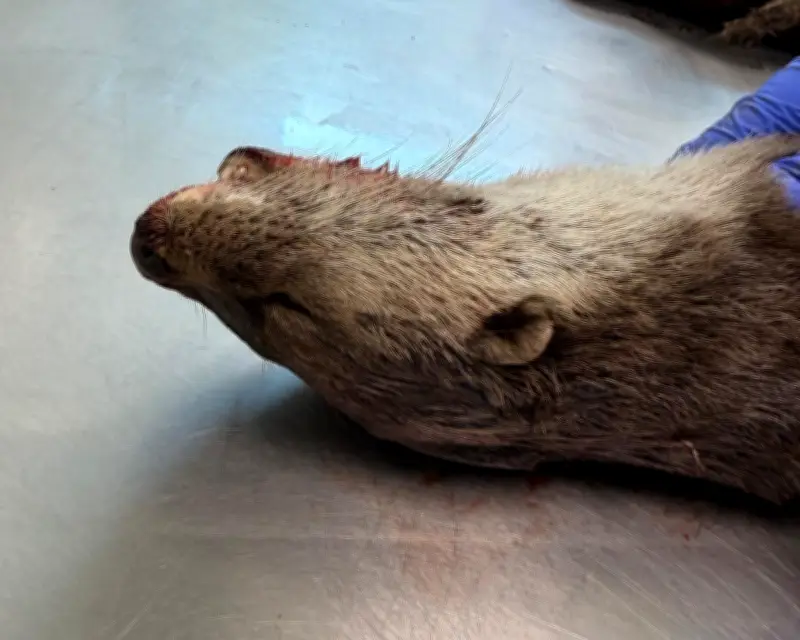
It began with a phone call from a local wildlife rescue group. An otter had been found dead near a riverbank, and they needed a witness for the postmortem. I agreed, expecting a grim task. What I encountered was something far more profound—a meticulous scientific process revealing the hidden life of this elusive creature.
The Examination
The veterinary pathologist worked with quiet reverence. The otter's sleek, dark fur was still glossy, a testament to its recent life in the water. As the incision was made, the grisly beauty of the animal's anatomy unfolded. Organs were weighed and measured, each telling a story: the robust lungs of a skilled diver, the powerful muscles of a predator, the stomach contents revealing a diet of fish and crustaceans.
Ecological Insights
Postmortems like this are crucial for conservation. They provide data on causes of death, population health, and environmental threats. This otter showed signs of a parasitic infection, likely from contaminated water. It was a stark reminder of how human activity impacts wildlife. The pathologist noted that such examinations help track disease outbreaks and inform habitat protection efforts.

Reflections on Mortality
Standing there, I felt a strange mix of sorrow and wonder. The otter's body was a map of its life—each scar, each organ a chapter. In death, it contributed to the understanding of its species. The experience reshaped my view of mortality; it is not an end but a transition, a final gift of knowledge.
A Call to Appreciation
We often romanticize wildlife, but true appreciation lies in understanding their struggles. Witnessing the postmortem deepened my respect for otters and the delicate balance of ecosystems. It was a reminder that every creature, in life and death, plays a role in the tapestry of nature.