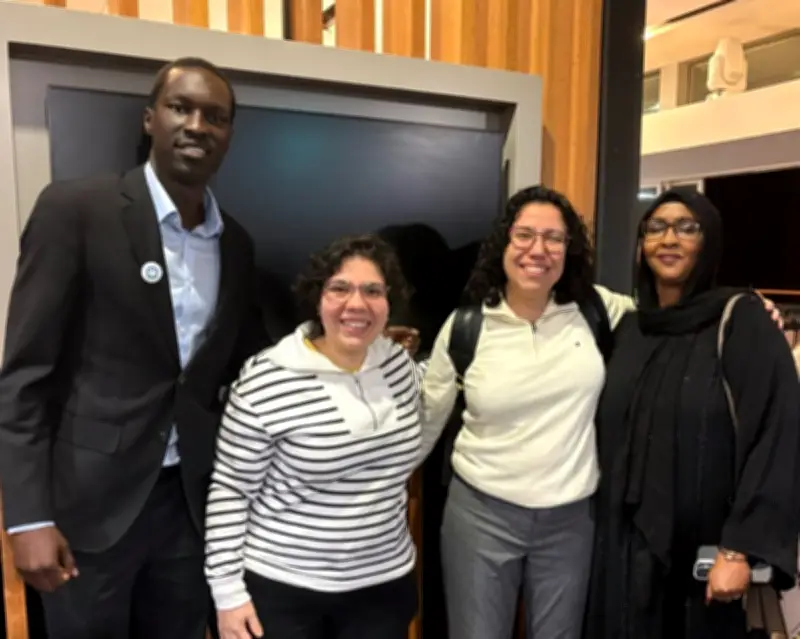
Luisana and Ana are both new to Melbourne, but their journeys to the city could not have been more different. Their contrasting experiences highlight significant flaws in Australia's refugee system, according to advocates who say the system is failing many of the most vulnerable.
Luisana's Long and Perilous Journey
Luisana, a 34-year-old from Venezuela, spent years navigating a dangerous and uncertain path to safety. She fled her home country after receiving death threats for her political activism. With no legal pathway to Australia, she was forced to rely on people smugglers, paying thousands of dollars to be transported through multiple countries. Her journey included a harrowing boat ride from Indonesia to Australia, where she was intercepted by Australian authorities and transferred to offshore processing on Nauru. There, she spent 18 months in a detention center, facing mental health struggles and uncertainty before being granted a temporary protection visa and eventually resettling in Melbourne.
Ana's Smooth and Supported Arrival
In stark contrast, Ana, a 28-year-old from Syria, arrived in Melbourne through Australia's official humanitarian program. After being registered as a refugee with the United Nations, she underwent rigorous health and security checks before being granted a visa. Her journey was organized and funded by the Australian government, which provided her with housing, language classes, and employment support. Ana now lives in a suburban apartment in Footscray, works part-time at a local café, and is studying English at a TAFE college. She describes her transition as smooth, though she acknowledges the emotional toll of leaving her homeland.

Systemic Disparities
The two women's stories illustrate the stark disparities within Australia's refugee system. While Ana benefited from a well-established pathway, Luisana's experience reflects the challenges faced by those who arrive by boat or without official sponsorship. Advocates argue that the system is two-tiered, with those arriving through official channels receiving significantly more support than those who come via irregular means.
Calls for Reform
Refugee advocates are calling for an overhaul of the system to ensure all refugees, regardless of how they arrive, receive fair treatment and adequate support. They point to the mental health impacts of prolonged detention and the difficulties of integrating into Australian society without proper assistance. Luisana, who now volunteers with a refugee support organization, says she hopes her story will help bring about change. “No one chooses to be a refugee. We all deserve dignity and a chance to rebuild our lives,” she said.