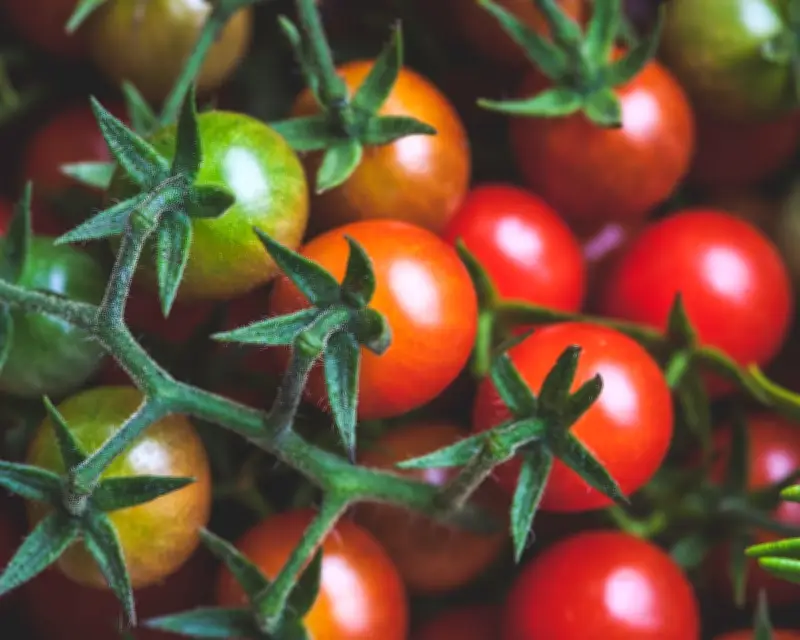
In the face of an uncertain future marked by climate change, political turmoil, and social fragmentation, one writer finds solace and wisdom in the humble acts of composting, growing tomatoes, and building community. These practices, she argues, are not just hobbies but essential lessons in resilience, patience, and interconnectedness.
The Power of Compost
Composting, the process of turning kitchen scraps and yard waste into nutrient-rich soil, teaches a profound lesson about cycles of life and death. "When I add coffee grounds and eggshells to my compost bin, I'm reminded that nothing is wasted," says the author. "It's a daily practice in accepting decay as part of growth." This metaphor extends to societal challenges: just as compost transforms waste into fertility, communities can turn crises into opportunities for renewal.
According to a 2023 study by the University of California, Berkeley, home composting can reduce household waste by up to 30%, cutting methane emissions from landfills. Yet the benefits go beyond environmental impact. The tactile engagement with soil and the patience required to wait for compost to mature fosters a sense of agency in a world that often feels out of control.

Tomatoes as Teachers
Growing tomatoes, with their demanding care and dramatic response to weather, offers another set of lessons. "Tomatoes are divas," the author jokes. "They need consistent watering, staking, and protection from pests. But when you bite into a sun-warmed, homegrown tomato, you taste the reward of persistence." The process mirrors the unpredictability of life: a late frost or a sudden heatwave can destroy a crop, just as global events can upend personal plans. Learning to accept these losses and adapt is a crucial skill for navigating uncertain times.
Community gardens, where neighbors share plots and knowledge, amplify these lessons. A 2022 report from the American Community Gardening Association found that participants in community gardens reported 40% higher levels of social trust and 25% lower rates of depression. The act of growing food together breaks down barriers of age, income, and background, creating micro-communities that can weather external shocks.
Community as Resilience
The author emphasizes that community is not just a nice-to-have but a survival strategy. "In a crisis, we don't need more stuff; we need each other," she writes. Sharing surplus tomatoes, teaching a neighbor to compost, or simply chatting over a garden fence builds the social fabric that sustains us through hardship. This echoes research by sociologist Robert Putnam, who in his book "Bowling Alone" documented the decline of community ties in America and linked it to increased vulnerability to social and economic shocks.
Local initiatives like tool libraries, seed swaps, and skill-sharing workshops are modern adaptations of traditional community practices. They reduce consumption, build knowledge, and create networks of mutual aid. In the face of climate change, such networks are proving essential for disaster response, as seen in the mutual aid groups that formed during hurricanes and wildfires.
Lessons for the Future
The author concludes that these small, everyday actions are not a retreat from the world but a form of engagement. "Composting doesn't solve climate change, and growing tomatoes won't fix the economy," she admits. "But they train us in the mindset we need to face our challenges: patience, acceptance, collaboration, and hope." By grounding ourselves in the tangible cycles of nature and the warmth of community, we build the resilience to confront an uncertain future with grace and determination.