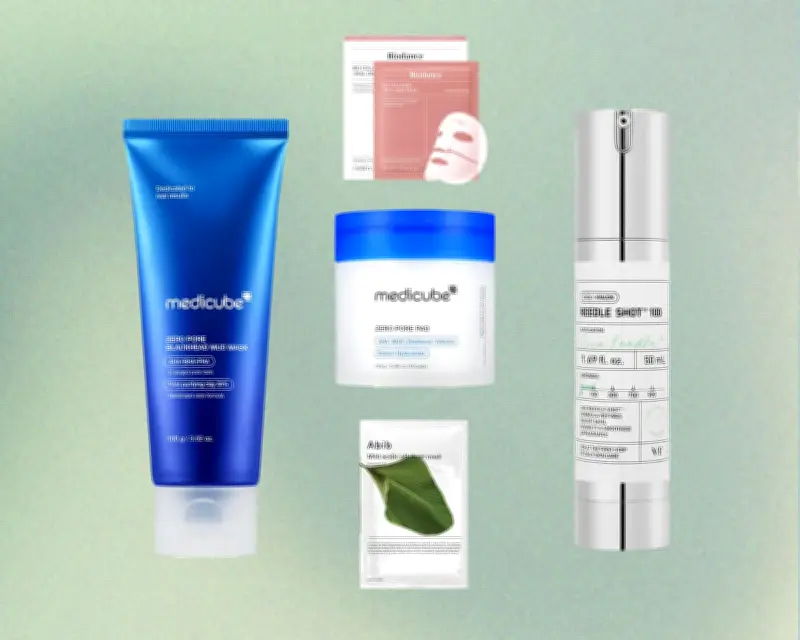
Korean skincare continues to dominate the global beauty industry, with innovative formulations and multi-step routines gaining loyal followings. In 2026, the best Korean skincare brands are blending tradition with cutting-edge science, offering products that cater to diverse skin concerns—from hydration and anti-aging to acne and sensitivity. Here are the standout brands and products you need to know, according to beauty experts and user reviews.
Cult Favorites That Stand the Test of Time
Some K-beauty products have achieved legendary status for their efficacy and consistency. One such product is the COSRX Advanced Snail 96 Mucin Power Essence, which contains 96% snail mucin to hydrate, repair, and soothe the skin. According to a 2025 survey by K-Beauty Insider, this essence remains the top-selling serum in South Korea, with over 2 million units sold annually. Another iconic product is the Laneige Water Sleeping Mask, which uses a proprietary Sleep-Tech formula to lock in moisture overnight. Dermatologists often recommend it for dehydrated skin, citing its lightweight gel texture and ceramide complex.
Innovative Newcomers Making Waves
In 2026, several emerging brands are gaining traction for their unique approaches. Anua, known for its Heartleaf line, has introduced the Heartleaf 77% Soothing Toner, which calms redness and inflammation. The brand uses a patented extraction method to preserve the active compounds of heartleaf (Houttuynia cordata), making it a favorite for sensitive and acne-prone skin. Another rising star is Beauty of Joseon, which fuses traditional Korean herbal ingredients with modern dermatology. Their Relief Sun: Rice + Probiotics SPF50+ PA++++ sunscreen has been praised for its non-sticky finish and skin barrier-strengthening benefits. According to a 2026 review in Allure, this sunscreen “sets a new standard for daily sun protection without white cast.”

Expert-Recommended Routines for Different Skin Types
To get the most out of K-beauty, tailoring your routine to your skin type is key. For oily and acne-prone skin, experts suggest using a gentle oil cleanser followed by a salicylic acid toner. The Some By Mi AHA BHA PHA 30 Days Miracle Toner is a popular choice, containing 20% tea tree extract and 0.5% salicylic acid to exfoliate and reduce breakouts. For dry and sensitive skin, hydrating essences and creams are essential. The Sulwhasoo Concentrated Ginseng Renewing Cream, which costs around $200 for a 60ml jar, uses ginseng berry extract to boost collagen and elasticity. Dr. Lee, a Seoul-based dermatologist, states, “Korean skincare is not just about layering; it’s about choosing products that complement each other and address specific skin needs.”
Key Ingredients to Look For
Understanding Korean skincare ingredients can help you make informed choices. Snail mucin, as mentioned, is a powerhouse for repair and hydration. Propolis, found in products like the Skinfood Royal Honey Propolis Enrich Essence, provides antibacterial and antioxidant benefits. Centella asiatica (cica) is another staple, known for its soothing properties; the La Roche-Posay Cicaplast Baume B5 is a French-Korean hybrid that has become a cult favorite. Additionally, niacinamide and peptides are common in K-beauty serums for brightening and firming. According to a 2026 report by Grand View Research, the global K-beauty market is expected to reach $37.2 billion by 2030, driven by demand for natural and science-backed ingredients.
How to Build a Basic K-Beauty Routine
A typical Korean skincare routine involves 10 steps, but a simplified version can be just as effective. Start with an oil-based cleanser to remove makeup and sunscreen, then follow with a water-based cleanser. Apply a toner to balance pH, followed by an essence for hydration. Next, use a serum or ampoule targeting your specific concern, then an eye cream if needed. Lock everything in with a moisturizer and finish with sunscreen during the day. For beginners, brands like Innisfree and Etude House offer affordable starter kits that include all essentials. The Innisfree Green Tea Seed Serum, for instance, has sold over 10 million units since its launch in 2016, making it a reliable entry point.

Where to Buy Authentic Korean Skincare
With the rise of online shopping, accessing Korean skincare has never been easier. Authorized retailers like Soko Glam, YesStyle, and Olive Young Global ship worldwide. However, beware of counterfeit products, especially on platforms like Amazon. Look for official brand stores or verified sellers. Many brands now offer online skin consultations to recommend personalized routines. For example, the brand MISSHA provides a Virtual Skin Analysis tool on its website, which uses AI to assess your skin type and concerns. According to a 2026 consumer report, 68% of K-beauty shoppers prefer purchasing directly from brand websites to ensure authenticity.
The Future of K-Beauty
As we move further into 2026, trends like microbiome-friendly formulas, sustainable packaging, and custom-blended products are shaping the industry. Brands like Rovectin and Purito have already launched refillable packaging for their bestsellers. Additionally, the concept of “skin barrier first” continues to dominate, with products focusing on strengthening the protective layer against environmental stressors. A 2026 article in Vogue Korea highlights that “the next wave of K-beauty will be about personalization and sustainability, without compromising on efficacy.” Whether you’re a seasoned enthusiast or a newcomer, Korean skincare offers something for everyone, backed by decades of research and a commitment to innovation.