The City of Wanneroo is taking direct action to protect its native animals from the growing threat of vehicle collisions, approving the installation of hundreds of temporary warning signs along key arterial roads.
Council Backs Urgent Action for Displaced Wildlife
This initiative follows a recent unanimous vote by the Wanneroo Council, spearheaded by Councillor Jacqueline Huntley. The decision responds to escalating concerns that rapid urban expansion is destroying natural habitats, forcing animals onto busy streets in search of food and space.
City administration officials confirmed that diminishing habitat, particularly on the urban fringe, is directly displacing local fauna. A consequence is a high incidence of wildlife, including larger animals (macro-fauna) and birds like the endangered Carnaby's black cockatoo, straying onto roads. This creates danger for motorists and often leads to trauma, severe injury, or death for the animals.

Strategic Sign Rollout Across Key Corridors
Approximately 250 temporary seasonal signs will be erected along ten major routes identified as high-risk areas. The roads included in this safety push are:
- Wanneroo Road
- Marmion Avenue
- Neaves Road
- Flynn Drive
- Wattle Avenue
- Breakwater Drive
- Townsend Road
- Hawkins Road
- Ocean Reef Road
- Elliot Road
The signage is intended as a simple yet effective measure to raise driver awareness in locations where animals are known to cross. The project is budgeted at around $12,000, with full installation expected by the end of January.
A National Problem with Local Consequences
The move addresses a severe issue both locally and nationally. It is estimated that a staggering 10 million native animals are killed on Australian roads each year. Local data underscores the trend, with the RAC reporting 2,648 animal collision claims in the first half of this year alone. This follows more than 5,190 claims in 2024, representing a near 10 per cent increase from the year before.
Councillor Huntley noted that concerned residents have previously taken matters into their own hands by putting up unofficial signs, which city rangers were forced to remove due to non-compliance. She argued this demonstrated a clear need for structured, official action.
"The city needs to consider developing an approach to reducing wildlife road trauma and protecting breeding species," Cr Huntley said. "Across WA, increasing urban development and road expansion have resulted in rising incidents of wildlife road trauma."
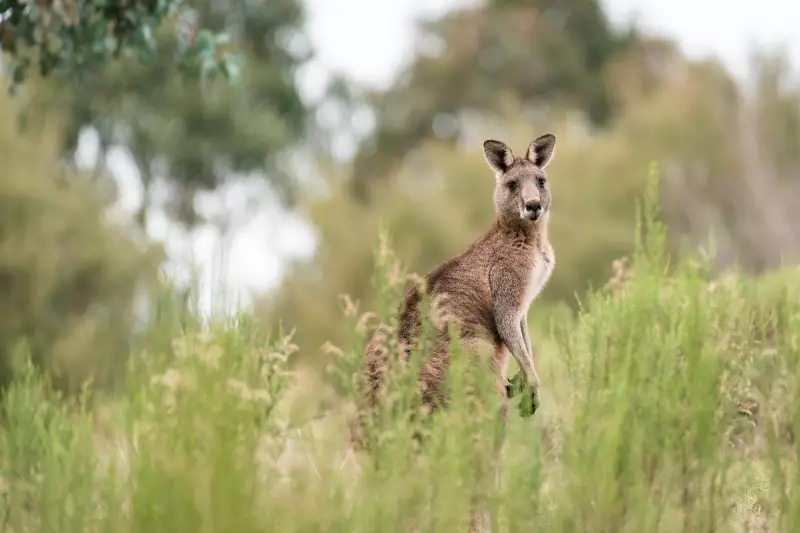
She highlighted that species such as kangaroos, echidnas, lizards, endangered turtles, and Carnaby's black cockatoos are frequently struck while foraging, crossing roads, or using roadside verges.
This signage project is the first step in a broader strategy. Councillor Huntley successfully called for a discussion paper to develop a "co-ordinated and compassionate framework" to reduce wildlife road trauma. This framework will aim to strengthen cooperation between State and local governments, as well as community stakeholders.
A report exploring other potential approaches to protecting breeding species and reducing collisions is scheduled to be presented to the council before the end of June.