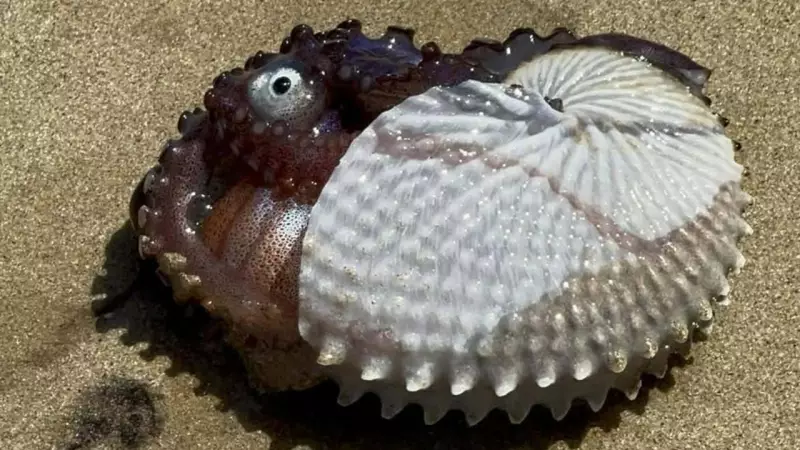
A stunning yet potentially dangerous marine visitor has caused a stir on one of Victoria's most famous surf beaches. A rare blue-ringed octopus was discovered on the shoreline at Lorne, prompting urgent warnings from marine experts and local authorities.
A Surprise Discovery on the Sand
The incredible sighting occurred on a recent afternoon at the main beach in Lorne, a popular destination on the Great Ocean Road. A local beachgoer made the surprising find, capturing images of the small but vividly patterned creature resting in the sand. The octopus, known scientifically as Hapalochlaena, is renowned for its striking blue rings that flash brilliantly as a warning when the animal feels threatened.
This species is considered one of the world's most venomous marine animals. Its venom contains a powerful neurotoxin called tetrodotoxin, which can paralyse muscles, including those required for breathing. There is no known antivenom, making any encounter a serious medical emergency.

Experts Issue Clear Safety Advice
Marine biologists and lifesaving services were quick to respond to the sighting. Their message was unanimous and clear: look, but never touch. The blue-ringed octopus is not inherently aggressive and typically only bites if provoked or handled.
Authorities advise the public to follow specific safety guidelines if they encounter one:
- Admire from a safe distance. Do not attempt to touch, poke, or pick up the octopus.
- Keep children and pets well away from the animal.
- If you see one, you can alert lifeguards or local wildlife officials.
- In the extremely rare event of a bite, seek immediate medical attention by calling 000. Apply pressure immobilisation and be prepared to perform CPR, as respiratory failure can occur rapidly.
Despite their potent venom, fatalities from blue-ringed octopus bites are exceedingly rare in Australia, thanks to widespread public awareness and prompt medical treatment.
Understanding Our Venomous Coastal Neighbour
The appearance of this octopus on Lorne Beach, while unusual, is not entirely unexpected. Blue-ringed octopuses are native to Australian coastal waters, typically inhabiting tide pools and coral reefs. They are small, often fitting in the palm of a hand, and are masters of camouflage. Their famous blue rings only become vividly visible when they are alarmed.
This sighting serves as a timely reminder of the diverse and sometimes hazardous wildlife that shares our coastline. From marine stingers to rip currents, being informed is key to a safe and enjoyable beach experience. The incident highlights the importance of marine education, especially for families visiting popular holiday spots along the Surf Coast and Great Ocean Road.
While the octopus's visit to the beach sand was brief, the memory and the important safety message it carries will linger much longer for those who witnessed it and for the broader community now alerted to its presence.