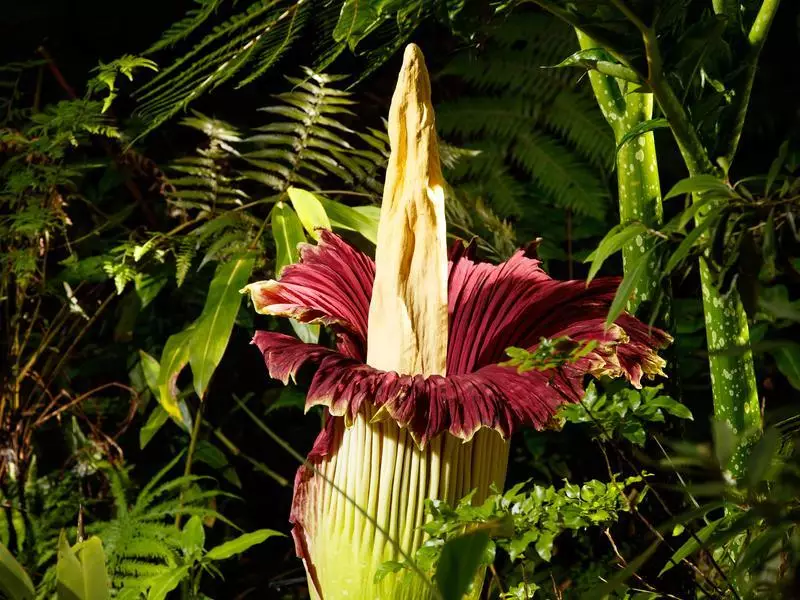
Adelaide is preparing for a spectacularly smelly natural event as a rare and endangered titan arum, affectionately named 'Smellanie', is poised to burst into bloom at the Adelaide Botanic Gardens any day now.
A Fleeting and Fragrant Spectacle
The titan arum, more commonly known as the 'corpse flower', is famous for its immense size and its powerful odour, which is strikingly similar to rotting flesh. This pungent smell is a clever evolutionary tactic to attract its pollinators, such as carrion beetles and flesh flies, and it peaks dramatically during the first 24 hours of bloom.
The entire botanical show is incredibly brief, typically lasting no more than two days before the tall central spike, called the spadix, begins to wither and collapse. This makes the event a rare and fleeting opportunity for South Australians to witness one of the plant world's most bizarre phenomena.

Two Decades of Conservation Success
This bloom is a significant milestone for a dedicated conservation program that began two decades ago. Matt Coulter, Horticultural Curator at the Botanic Gardens and State Herbarium of South Australia (BGSH), explained the journey. "We received just three seeds in 2006," he said. "From that tiny start, we've built a collection of about 250 titan arums."
He detailed that roughly 100 plants came from leaf cuttings and another 150 from cross-pollination efforts. The plant about to flower, Smellanie, grew from a tuber that originated from one of those original seeds. This marks only the second time this particular plant has flowered, with its last bloom occurring in 2021.
Now standing at approximately 1.5 metres tall, Smellanie is a living testament to the importance of long-term botanical conservation.
A Species Under Threat
The need for such conservation work is urgent. Fewer than 1,000 titan arums are estimated to remain in their wild habitats in Sumatra, Indonesia, leading to its listing as endangered on the IUCN Red List. The species faces severe threats from deforestation for palm oil plantations, illegal logging, plant theft, and the escalating impacts of climate change.
Michael Harvey, Director of BGSH, emphasised that protecting vulnerable species is central to the organisation's mission. "We work closely with gardens and conservation groups across Australia and overseas to safeguard both native and exotic plants," Harvey stated.
"For the Titan Arum, that's meant sharing tubers, DNA samples, propagation techniques and research to help secure the species' future. The growth of this collection – and the excitement it brings to visitors – reflects the skill and dedication of our team."
Adelaide's bloom is not the only one happening in Australia. Three corpse flowers are already on display at the Cairns Botanic Gardens, with another, named 'Hannibal', expected to join them shortly. Botanic gardens worldwide often give their stinky stars memorable names, with past examples including Putricia, Pepe Le Pew, Dame Judi Stench, and Fester.