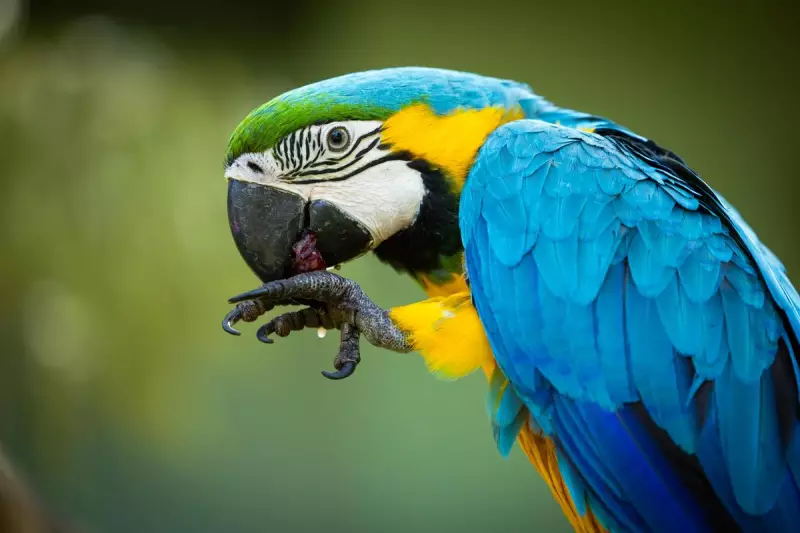
For the first time in more than ten years, the vibrant flashes of blue and gold from majestic macaws have returned to Perth Zoo. The zoo has introduced two stunning new residents, blue and gold macaws named Inca and Manu, who are now captivating visitors in the walk-through aviary.
A Generous Gift Leads to New Additions
The arrival of the two young macaws came about through a heartwarming community connection. Bird expert Holly Lewin explained that the opportunity arose organically when a member of the public who owned a breeding pair contacted the zoo. "They rang us up and offered us their chicks," Ms Lewin said. The zoo, which was looking to diversify the bird species in its aviary to showcase more birds from around the world, gladly accepted the generous offer.
Inca and Manu, who are native to Central and South America, arrived at the zoo in October 2026. After completing a standard quarantine period, they have spent the past month acclimatising to their new home. The pair are just over a year old, and their brilliant plumage will continue to brighten as they mature, a natural process designed to attract lifelong mates.

Distinct Personalities Shine Through
According to their keepers, the two macaws have already begun to show their individual characters. Ms Lewin describes Inca as "the brains of the operation," being more outgoing and the first to warm up to the zookeepers and accept food by hand.
Manu, meanwhile, exhibits a classic little brother demeanour. "He likes to follow her around, copy what she's doing," Ms Lewin said. "When she gets a snack, he wants a snack. If she's got something, he wants that something."
Their striking appearance has made them instant celebrities. "People walk in and you hear them just gasp at these amazing birds," Ms Lewin added.
A Long and Bright Future Ahead
Blue and gold macaws are known for their impressive longevity. In their natural habitat, they typically live for 30 to 35 years. However, under the care of the zoo, their lifespan could extend significantly. "Hopefully they could make it even up to 50 or 60 years old," Ms Lewin remarked, expressing her hope that they will still be at the zoo when she retires.
Each bird boasts unique striped markings around its eyes, similar to a human fingerprint, making them individually identifiable. Their introduction not only brings back a beloved species to the Perth community but also enhances the zoo's role in educating the public about global birdlife. Visitors can now enjoy an up-close encounter with these magnificent parrots, an experience absent from the zoo for over a decade.