The discovery of a drowned platypus in the Queanbeyan River has sounded a stark warning about the dangers facing Australia's unique wildlife in urban waterways. The tragic incident occurred on the evening of Sunday, January 4, 2026, and has ignited calls for immediate action to protect vulnerable species.
A Tragic Discovery During an Evening Walk
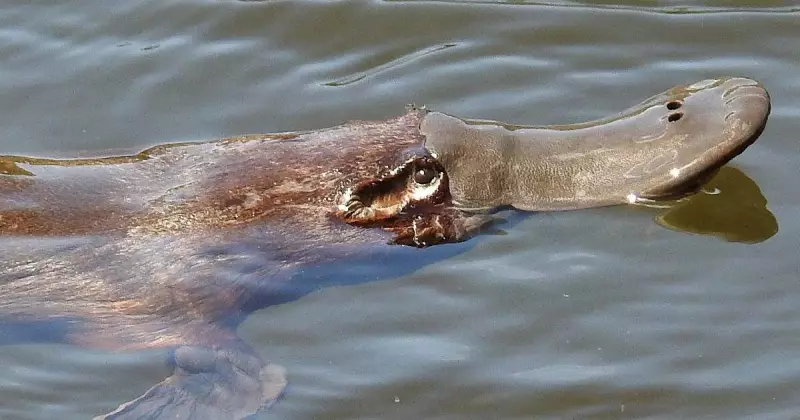
Local resident Christine Rampling was walking her dog along the popular two-kilometre bridge-to-bridge river loop in Queanbeyan, New South Wales. As they reached Queen Elizabeth II Park, her dog's intense interest in the water's edge led her to a heartbreaking sight. A furry, bloated lump was floating in the river, its distinct flat tail and a small hind flipper visible above the surface.
The animal was later retrieved, confirming it was a platypus that had drowned after becoming entangled in discarded fishing line. Unable to surface for air, the iconic monotreme met a preventable end. This section of the river is known to be home to a frequently sighted breeding pair, making the loss particularly devastating for the local population.

Growing Threats to Urban Waterways and Wildlife
Rampling's letter to the editor highlights a critical environmental issue. "Some education really needs to happen and fishing would ideally be banned from the sections of the river where platypus live," she urged. The incident underscores a broader problem: discarded fishing gear, yabby traps, and general rubbish pose lethal risks to aquatic animals like platypuses, which must surface regularly to breathe.
This single death acts as a red flag for the health of the Queanbeyan River ecosystem. The community takes great pride in its local platypus population, but that pride must now translate into proactive conservation measures to prevent further tragedies.
A Community's Broader Environmental Concerns
The platypus death was one of several environmental issues raised by Canberra and Queanbeyan residents in recent letters. Other correspondents pointed to parallel crises:
- Invasive Species: Dan Buchler of Waramanga warned of the "slow burn" crisis caused by Indian Mynas, which aggressively outcompete native birds for nesting hollows. Despite being declared a pest species in June 2021, he criticises a lack of government action to control their spread.
- Habitat Loss: The loss of native bird habitat due to urban development was cited as a key reason for the diminished dawn chorus in the region.
- Climate Impact on Farming: Anne O'Hara of Wanniassa connected recent cattle losses in North-East Queensland floods to climate change, urging a drastic reduction in fossil fuel production to protect farmers long-term.
These letters collectively paint a picture of a community deeply concerned about local biodiversity, responsible development, and climate resilience. The dead platypus serves as a tangible, emotional symbol of what is at stake when environmental management falls short.
The call from Queanbeyan is clear: protecting precious waterways requires a combination of public education, stricter regulations on activities like fishing in sensitive zones, and a community-wide commitment to reducing pollution. The future of the platypus, and the health of the river it calls home, depends on it.