New Marsupial Species Potentially Discovered in Yorke Peninsula Following University Study
A groundbreaking study from the University of Adelaide has revealed that a rare marsupial species might be residing in the southern region of Yorke Peninsula. This discovery emerged after researchers conducted a meticulous review of decades-old evidence, including historical photographs that were previously overlooked or misidentified.
Re-examination of Historical Evidence Uncovers Potential New Species
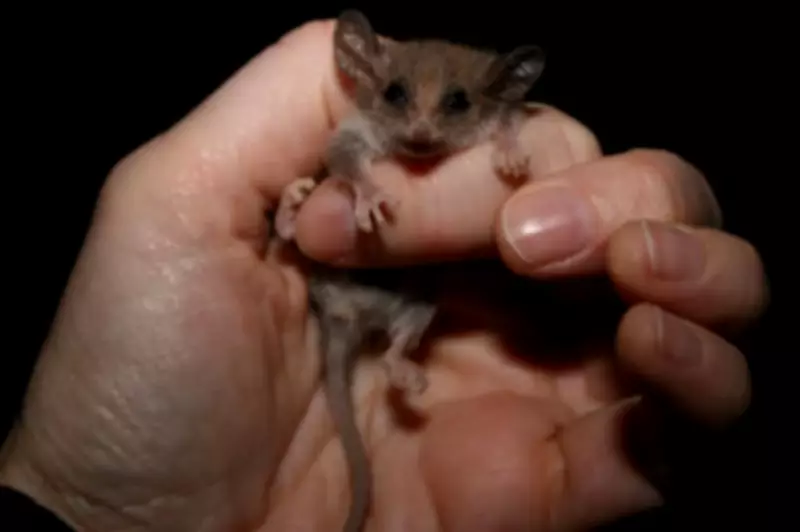
The research team at the University of Adelaide embarked on a detailed analysis of archival materials, which led to the startling realization that what was once thought to be a common western pygmy possum could, in fact, be a distinct and previously undocumented species. This finding challenges long-held assumptions about local wildlife biodiversity and highlights the importance of revisiting historical data with modern scientific techniques.
According to the study, the evidence suggests that this potential new species has been present in the Yorke Peninsula area for many years, but remained undetected due to its elusive nature and similarities to other known marsupials. The re-evaluation of old photographs played a crucial role in this discovery, as they provided visual clues that prompted further investigation into the animal's unique characteristics.

Implications for Conservation and Biodiversity in South Australia
If confirmed, this discovery could have significant implications for conservation efforts in South Australia. The identification of a new marsupial species would not only enrich the region's ecological profile but also underscore the need for enhanced protection of its natural habitats. Researchers emphasize the urgency of conducting field surveys to verify the existence of this species and gather more data on its behavior, population size, and habitat requirements.
The study's findings also serve as a reminder of the hidden biodiversity that may exist in seemingly well-studied areas. By leveraging advanced analytical methods and historical records, scientists can uncover new insights that contribute to a deeper understanding of Australia's unique wildlife. This potential discovery in Yorke Peninsula adds to the growing body of evidence that many species remain to be discovered, even in regions with extensive prior research.
In summary, the University of Adelaide's research has opened up exciting possibilities for wildlife science in South Australia. Further studies and on-ground verification are now essential to confirm the presence of this rare marsupial and ensure its conservation for future generations.