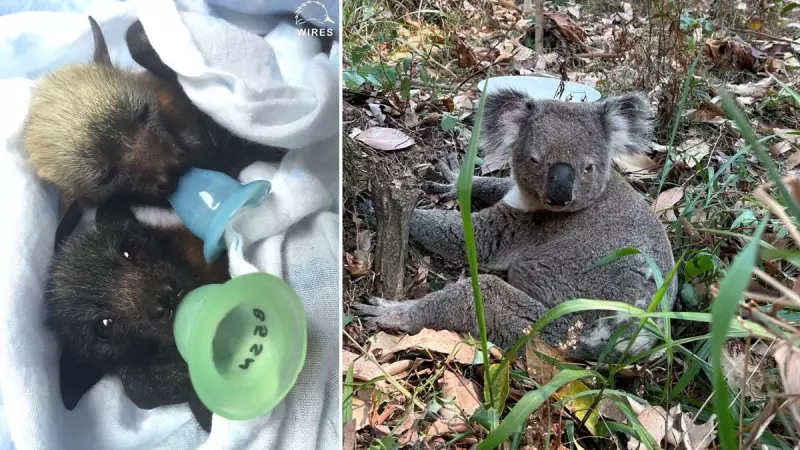
As a severe heatwave blankets the nation, forcing many Australians to retreat indoors, the country's wildlife faces a dangerous battle for survival. Animal advocates have issued an urgent plea for the public to assist native animals and pets struggling in the extreme conditions.
Wildlife in Distress: Signs and Immediate Actions
Wildlife rescue organisation WIRES warns that native animals experience heat stress similarly to humans. "Extreme heat can also impact other species, leading to dehydration and exhaustion and can sometimes be fatal," stated WIRES spokesperson John Grant. Animals may become confused, lethargic, and disoriented as they struggle to find water and shelter.
Birds may pant with open beaks and hold their wings away from their bodies, while other creatures can suffer painful burns on their paws from scorching roofs and roads.

The public can assist by:
- Placing shallow containers of water with rocks in the shade for smaller animals to climb out.
- Leaving sprinklers on near shady trees.
- Regularly checking swimming pools and skimmer boxes for trapped wildlife, and providing a tethered rope or platform for escape.
In a recent case highlighting the danger, a koala was rescued in Mudgeeraba, Queensland, last October after being found on the ground during 40C heat. The animal was panting and severely dehydrated but was successfully rehabilitated by WIRES and released after a week of care.
Critical Warnings for Bats and Nocturnal Animals
Special caution is required for flying foxes and bats, which are at high risk once temperatures exceed 40C. These animals should never be handled by the public due to the risk of lyssavirus; only trained, vaccinated professionals should assist. In extreme heat, flying foxes may abandon their pups to save themselves.
Motorists are urged to be extra vigilant at dawn and dusk when nocturnal animals cross roads seeking water. Keeping a rescue kit in your car—including a cardboard box, gloves, and a towel—is recommended for safely containing injured animals until help arrives.
Protecting Your Pets from Summer Heat
RSPCA NSW Chief Veterinarian Dr Liz Arnott emphasises that preparation is key for pet safety. "If it’s going to be hot for us, it’s probably going to feel hot for them too," she said. Pets must have ample shade and fresh water, and a bushfire plan that includes them is essential in at-risk areas.
Avoid walking dogs during the heat of the day, as hot pavements can burn their paws. Instead, opt for early morning or evening walks. Dr Arnott suggests indoor activities like a "sniffari," where pets use their sense of smell to find treats hidden around the house.
Signs of heat stress in pets include excessive panting, red gums, restlessness, and weakness, which can progress to collapse, vomiting, or seizures. If you suspect heat stress, wet your pet's skin with cool water, place them near a fan, and seek immediate veterinary care.