A remarkable and pungent natural event is captivating the horticultural community in Far North Queensland. In an exceptionally rare occurrence, four giant corpse flowers (Amorphophallus titanum) are preparing to bloom simultaneously at the Cairns Botanic Gardens.
A Stinky and Spectacular Synchronised Bloom
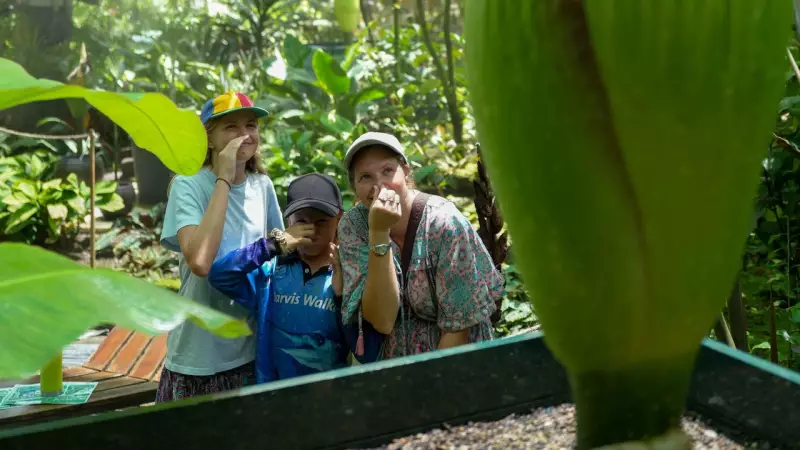
The plants, known scientifically as Amorphophallus titanum, are famed for producing the world's largest unbranched inflorescence. Their common name, the corpse flower, derives from the powerful odour of rotting flesh they emit during bloom to attract pollinating insects like carrion beetles and flesh flies. This olfactory spectacle is as unforgettable as the flower's immense size.
What makes the current situation in Cairns so extraordinary is the timing. Four individual specimens are all in various advanced stages of preparing to flower. This kind of group performance is almost unheard of outside their native rainforests in Sumatra, Indonesia. The gardens' curator, David Fell, confirmed the exciting development, noting the team is monitoring the plants daily.

Botanical Rarity in the Heart of Cairns
The Cairns Botanic Gardens has a proud history with these botanical giants. Their first corpse flower bloomed in 2021, drawing significant public interest. The current cohort includes plants at different stages: one is expected to open its enormous maroon and green spathe within days, while others are predicted to follow over the coming weeks. This staggered but overlapping schedule offers locals and visitors an extended window to experience this rare phenomenon.
The gardens' experts attribute this success to meticulous care and optimal growing conditions that mimic the flower's tropical habitat. The plants require specific humidity, temperature, and soil conditions to thrive, making each bloom a significant horticultural achievement. The public is being encouraged to visit and witness this stinky marvel of nature firsthand.
Planning Your Visit to See the Giant Blooms
For those hoping to catch a whiff and a glimpse of the giant corpse flowers, the Cairns Botanic Gardens are the place to be. The blooms are notoriously short-lived, with the peak scent and full display typically lasting only 24 to 48 hours. Garden staff are providing regular updates on the progress of each plant to help visitors plan their trip.
This event highlights the critical role of botanical gardens in conservation and education. By cultivating rare and endangered species like the Amorphophallus titanum, these institutions preserve biodiversity and offer the public a direct connection to some of the planet's most unusual flora. The impending blooms are not just a curiosity; they are a testament to dedicated scientific cultivation.
As the community awaits the grand, malodorous opening, excitement is building. This rare spectacle of four corpse flowers preparing to bloom together places Cairns firmly on the global map for tropical horticulture and offers a once-in-a-lifetime opportunity to engage with one of nature's most bizarre and fascinating creations.