Conservation groups and wildlife carers in Far North Queensland are sounding the alarm after the state government quietly revoked a long-standing protection for a critically endangered native species.
Ban Lifted, Fears Take Flight
The Queensland Department of Environment, Science and Innovation (DESI) has confirmed it removed a prohibition on shooting spectacled flying foxes in early December 2023. This decision, made without public consultation, has sent shockwaves through the conservation community.
The ban was originally a key condition attached to a damage mitigation permit (DMP) held by the Cairns Regional Council. This permit allowed the council to disperse flying fox colonies from urban areas, but explicitly forbade lethal measures. The recent amendment to the permit now permits shooting as a method of last resort, a move described by experts as a major step backwards for species protection.

Liz Smith of the Batreach rescue group expressed profound dismay, stating the change was discovered by accident and implemented without warning to those on the front line of rescue efforts. "We're absolutely devastated," she said.
A Species on the Brink
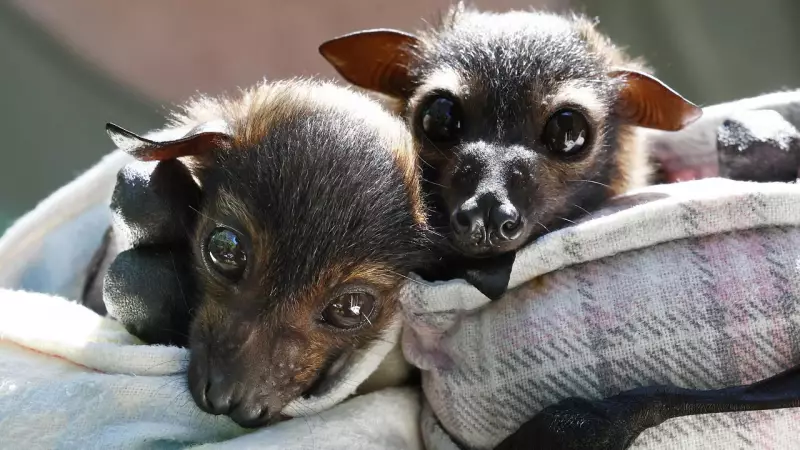
The spectacled flying fox is listed as endangered under both Queensland and Commonwealth law. Its population has suffered catastrophic declines, primarily due to extreme heat events. A single mass die-off in November 2018 wiped out nearly one-third of the entire species.
Experts argue that allowing shooting is not only cruel but ecologically reckless. Dr. Noel Preece, a respected ecologist, condemned the practice as ineffective for population control and a severe threat to the survival of the species. He emphasised that these animals are vital pollinators and seed dispersers for Australia's rainforests.
"They are a critical part of the wet tropics world heritage area," Dr. Preece stated, highlighting the ecological void their extinction would create.
Government Response and Community Outcry
In a statement, a DESI spokesperson defended the amendment, claiming it aligns the permit with a national code of practice and provides "consistency" for permit holders. The department insists shooting is only permitted where all non-lethal methods have failed and requires adherence to strict humane standards.
However, this justification has failed to placate critics. Wildlife rescuers point out the inherent difficulty in ensuring humane kills with firearms, especially on highly mobile animals in dense foliage, leading to prolonged suffering. The decision is seen as a capitulation to agricultural and political pressure over sound science.
The community is now calling for transparency and a reinstatement of the ban. The fate of the spectacled flying fox hangs in the balance, with conservationists urging the government to prioritise proven, non-lethal management strategies to protect this irreplaceable part of Australia's natural heritage.