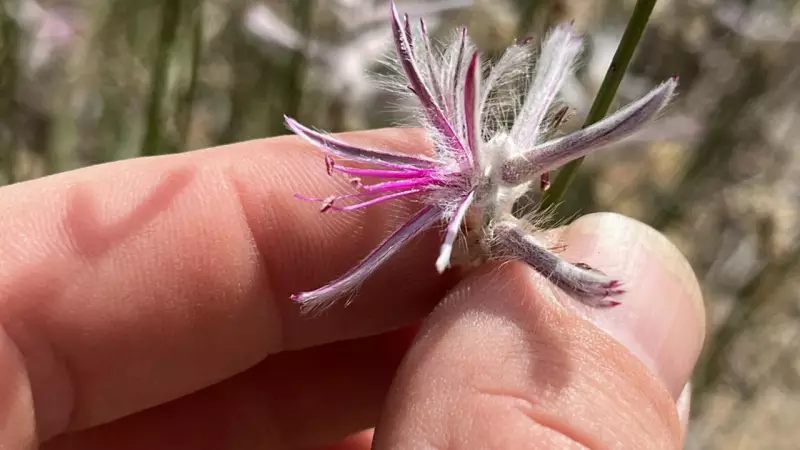
A plant species believed to have vanished from the Australian landscape for over half a century has been dramatically rediscovered in Far North Queensland. The native shrub, known scientifically as Rhaphidospora cavernarum, was last officially recorded in 1966 and had long been considered extinct.
A Chance Discovery in the Rainforest
The remarkable rediscovery was made by a local conservationist, David Storch, who spotted the plant while exploring a remote area of rainforest. Storch, familiar with the region's flora, suspected he had found something significant and immediately collected samples for verification.
These samples were sent to experts at the Queensland Herbarium for formal identification. Botanists there confirmed the incredible news: the plant was indeed the long-lost Rhaphidospora cavernarum, alive and well. The exact location of the find is being kept confidential to protect the vulnerable population from disturbance or collection.

Botanical Significance and Historical Context
The shrub's history is as elusive as the plant itself. Prior to this discovery, the only known records were two collections made in the 1800s and the final one in 1966. For 56 years, no verified sightings occurred, leading to its official classification as extinct.
The plant is described as a slender shrub that can grow up to two metres tall. It belongs to the Acanthaceae family, which includes many species known for their often complex and beautiful flowers. Its rediscovery is not just a win for biodiversity but a powerful reminder of how much we still have to learn about Australia's unique ecosystems, particularly in hard-to-access rainforest regions.
Future Steps for Conservation
The find has ignited a wave of excitement and renewed purpose among botanists and conservation groups. The immediate priority is to secure and protect the existing population. Researchers will now work to assess the size and health of the group of shrubs found.
Following this assessment, a key goal will be to collect seeds or plant material to begin propagation programs. These programs aim to establish new populations in secure, managed areas or botanical gardens, creating an insurance policy against the plant ever being lost again. This process is crucial for building the resilience of the species.
The rediscovery of Rhaphidospora cavernarum serves as a beacon of hope for conservationists. It proves that even species written off as lost forever can sometimes be clinging to survival in forgotten corners of the wilderness. This event underscores the critical importance of continued field surveys, protecting habitat, and the invaluable role of observant individuals in safeguarding Australia's natural heritage.