Endangered Seahorses Receive Vital Baby Boost After Devastating Floods
In a significant development for marine conservation, scientists have celebrated the arrival of the first clutch of White's Seahorses (Hippocampus whitei) this breeding season at the Port Stephens Fisheries Institute. This event marks a hopeful step forward for one of Australia's most threatened marine species, which has been severely impacted by recent environmental challenges.
Breeding Efforts Amidst Population Struggles
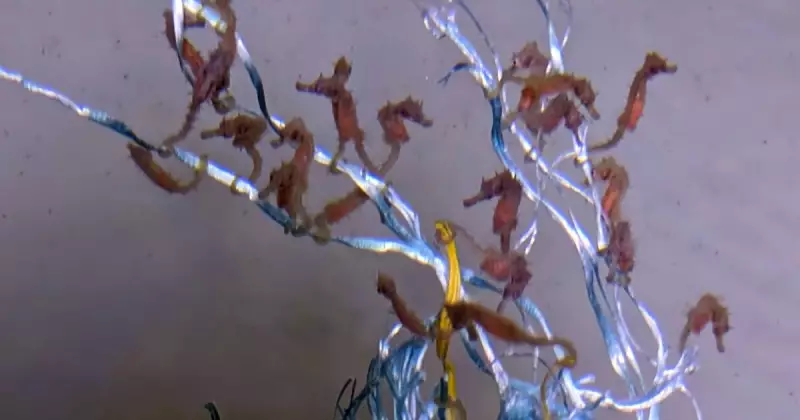
The baby seahorses, known as fry, were bred as part of a dedicated rescue initiative aimed at pulling the species back from the brink of extinction. David Harasti, a senior research scientist at the institute, reported that approximately 500 hatchlings are currently being nurtured in the nursery. However, this number is notably lower than in previous years, highlighting ongoing difficulties.
"We are finding it very hard to collect wild seahorses from Port Stephens for breeding, and the floods from last year have wiped them out," Mr Harasti explained. He described a disheartening experience of spending six hours underwater recently without locating a single breeding pair. The impact of the floods has been severe, with a previous batch of 1500 released seahorses decimated—only nine were found afterward.

Habitat Destruction and Recovery Challenges
White's Seahorse is a medium-sized species, growing up to 16cm in length, and is endemic to Australia's east coast, with key populations in Port Stephens, Sydney Harbour, and Port Hacking. The Port Stephens estuary has seen a dramatic decline in numbers following major flood events throughout 2025. These floods damaged critical habitats such as sponges, soft corals, and seagrasses, essential for the seahorses' survival.
"Everything died off in the shallows; we are only starting to see now the micro algae starting to develop again," Mr Harasti noted. He emphasised that the current batch of fry will be kept in the nursery longer than usual, allowing them to grow larger before release, once their natural habitats show signs of recovery. Historical data suggests it can take up to two years for the environment to bounce back after such flooding events.
Innovative Conservation Strategies
To support population restoration, Fisheries have deployed over 60 seahorse hotels—artificial cages modelled to provide safe homes—into the estuary. These structures encourage marine growth and create favourable conditions for seahorses to thrive. "The houses are there so we just need the seahorses to move back into them and start breeding next season," Mr Harasti added.
In the wild, White's Seahorses can live for up to six years, with a breeding season stretching from September to February. They exhibit long-term monogamy, and uniquely, the male carries the fry before giving birth to 100-250 babies after a pregnancy of about three weeks. They are capable of reproducing up to eight times per breeding season.
Future Outlook for the Species
Despite these efforts, Mr Harasti expressed concern that the overall trend for the species is not yet positive. Populations in the Forster catchment have not been observed, and those in Sydney Harbour and Port Stephens continue to struggle. "Hopefully this can be the boost they need to get back on track," he said, underscoring the importance of ongoing conservation work to ensure the survival of this unique marine creature.