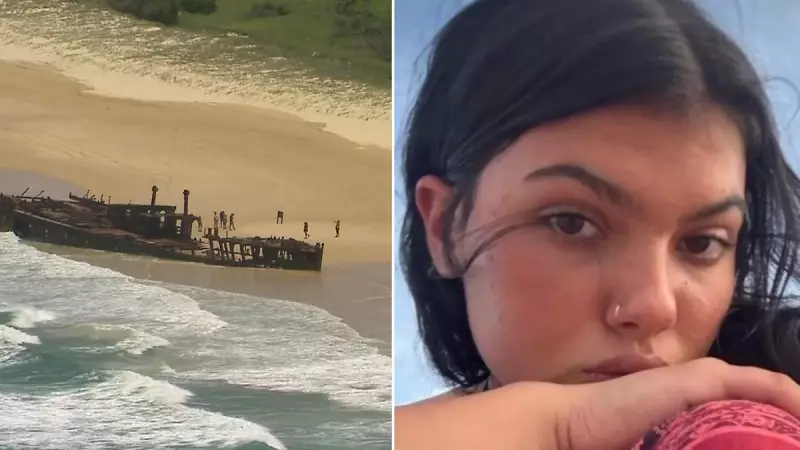
Queensland Authorities Order Euthanasia of Dingo Pack Following Backpacker Tragedy
Queensland authorities have made the difficult decision to euthanise a pack of dingoes that were involved in the tragic death of Canadian backpacker Piper James on K'gari. The Department of the Environment, Tourism, Science and Innovation has declared these animals an unacceptable public safety risk, following careful observation and assessment.
Aggressive Behaviour Observed in Dingo Pack
A spokesperson for the department confirmed that rangers have been closely monitoring the dingo pack since the incident earlier this week. Rangers have observed some aggressive behaviour within this group of animals, the spokesperson stated. Following the initial autopsy findings and continued observations, authorities determined that this specific pack poses too great a danger to public safety.
The spokesperson emphasised that public safety remains the top priority in this challenging situation. This decision is informed and in the public interest, they explained, while extending deepest sympathies to Piper James' family and loved ones.

Autopsy Findings and Family's Anguish
The Queensland Coroner's Court has released initial findings suggesting drowning as the most likely cause of death for the 19-year-old backpacker. The autopsy revealed physical evidence consistent with drowning along with injuries from dingo bites. Importantly, officials noted that pre-mortem dingo bite marks were not likely to have caused immediate death, though there were extensive post-mortem bite marks found on the body.
Piper's father, Todd James, received the autopsy and toxicology results late Thursday night, only to learn they were inconclusive. They told me it could take another two months before we know anything more, he shared. Even then, they said we still might not get the full truth. It's devastating.
Family Calls for Safety Improvements
Todd James acknowledged that his daughter loved nature, loved animals, and would never have supported a dingo cull. However, he believes fundamental safety measures on K'gari must change to prevent future tragedies. I don't want another family going through this, he stated emphatically.
The grieving father has called for several specific improvements:
- Stronger staff training for those working on the island
- Mandatory carrying of dingo sticks for visitors
- Potential ban on children under 13 visiting K'gari
Community Debate and Official Response
The tragedy has sparked significant debate within the local community, with some residents fearing the incident might lead to broader culling of dingo populations. Queensland Premier David Crisafulli has indicated that authorities will consider all advice regarding appropriate responses, without ruling out any options at this stage.
Traditional owners of K'gari have urged against widespread culling, instead advocating for alternative measures:
- Caps on visitor numbers to the island
- Periodic closures to allow the environment to recover
- Better management of tourism impacts
These traditional custodians believe the island's true annual visitor count approaches 800,000 people - significantly higher than the official estimate of 500,000 visitors.
Immediate Safety Measures Implemented
In response to Piper James' death, authorities have already implemented several safety enhancements on K'gari:
- Additional rangers deployed to the island
- Closure of certain campgrounds
- Expansion of public safety education campaigns
- Increased patrols in high-risk areas
The Be dingo-safe messaging campaign will continue in the coming weeks as authorities work to balance visitor safety with wildlife conservation. Queensland Parks and Wildlife Service rangers are currently implementing the euthanasia decision while ensuring there is no public safety risk during this process.

The dingoes involved in Monday's incident will be humanely euthanised according to established wildlife management protocols. This tragic event continues to raise important questions about human-wildlife coexistence in Australia's unique natural environments.