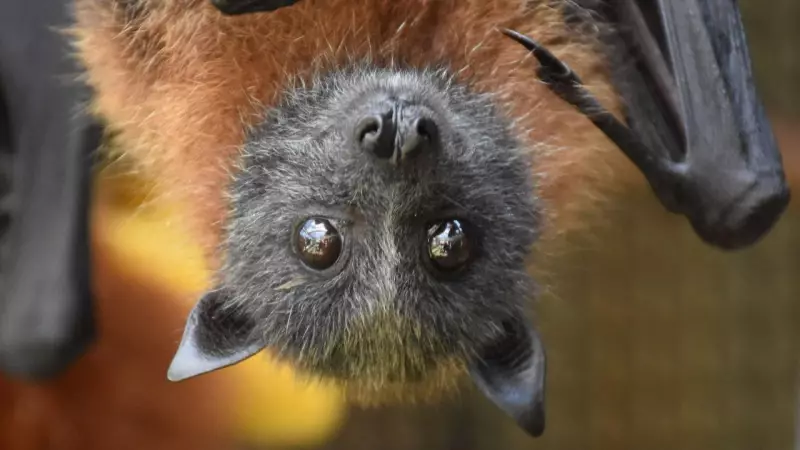
A vital project to protect Geelong's vulnerable grey-headed flying fox colony from deadly heatwaves has been hit by delays, putting the nationally significant population at serious risk.
Lifesaving System Stalled Amid Bureaucratic Hurdles
The planned installation of a permanent sprinkler system at the Barwon River roost site, a project approved and funded over a year ago, has failed to materialise. This system is designed to spray a cooling mist over the bats during extreme heat events, which can cause catastrophic mass fatalities.
The $150,000 project was greenlit by the City of Greater Geelong council in February 2023, with funding shared between the council and the Victorian government. However, as reported, the necessary permit from the Corangamite Catchment Management Authority (CCMA) to draw water from the river is still pending.

Local conservationists and bat advocacy groups have expressed deep frustration at the hold-up. They warn that with each passing summer, the colony faces the threat of a major die-off. Geelong's colony is one of the most significant in the state, serving as a critical "climate change refuge" for the species, which is listed as vulnerable under both Victorian and national environmental laws.
A History of Tragedy and a Race Against Time
The urgency stems from past tragedies. In January 2020 and again in 2022, severe heatwaves led to the deaths of hundreds of flying foxes at the Geelong site. Volunteers were forced into desperate, ad-hoc rescue efforts, hosing down the distressed animals to try and keep them cool.
"The current situation is completely unacceptable," said a representative from a local wildlife group. "We have the funds, we have the council approval, but we are stuck waiting for a permit while the bats remain unprotected. Every day of delay is a day we risk another disaster."
The proposed system would involve a series of sprinklers mounted in trees, automatically activating when temperatures soar above a set threshold. This proven method is used at other roosts across Australia and is considered essential for the bats' survival in a warming climate.
Broader Implications for Conservation and Climate Resilience
The delay highlights the broader challenges of protecting endangered species in urban environments. Grey-headed flying foxes play a crucial ecological role as long-distance pollinators and seed dispersers for native forests.
The Geelong colony's location along the Barwon River is particularly important. As temperatures rise inland, coastal areas become increasingly vital refuges. Protecting this roost is not just about saving local bats; it's about maintaining a genetically viable population for the broader region.
Council officials have stated they are working closely with the CCMA to finalise the permit, citing the need to ensure the project meets all environmental guidelines for water extraction. However, advocates argue the process is taking far too long given the clear and immediate threat.
The community is now calling for all parties to fast-track the approval before the next extreme heat event. With climate models predicting more frequent and intense heatwaves, the installation of this sprinkler system has transformed from a conservation project into an urgent animal welfare imperative for Geelong.