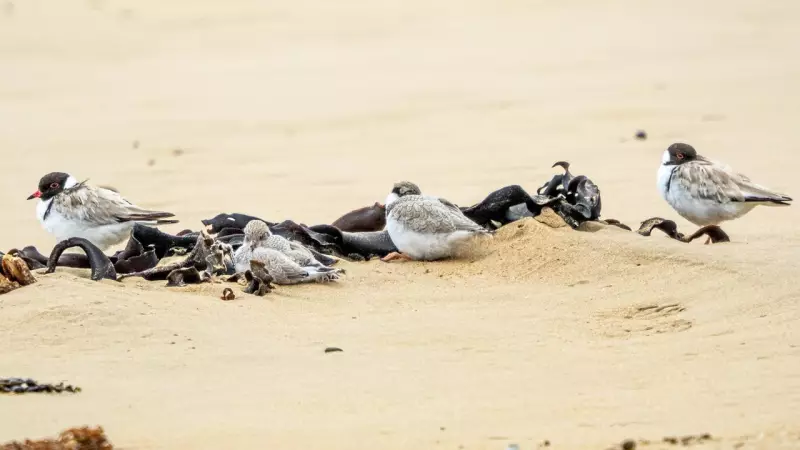
Authorities have issued a stern warning to dog owners following the tragic deaths of two hooded plovers at popular Victorian beaches. The incidents, which occurred at Ocean Grove and Fairhaven, could result in penalties of up to $50,000 for those responsible.
Protected Birds Killed in Separate Incidents
The Department of Energy, Environment and Climate Action (DEECA) confirmed the two fatalities happened recently. One hooded plover was killed at Ocean Grove, while another died at Fairhaven. These small shorebirds are listed as vulnerable under Victoria's Flora and Fauna Guarantee Act and face significant threats during their breeding season.
Conservationists and wildlife officers are deeply concerned. "These are preventable deaths," a DEECA spokesperson stated. "When dogs chase or attack these birds, it causes immense stress and can lead directly to fatalities, especially when they are nesting or have chicks."

Strict Laws and Hefty Penalties Enforced
The laws protecting native wildlife in Victoria are severe. Under the Wildlife Act 1975, deliberately disturbing or harming threatened species like the hooded plover is an offence. Individuals found responsible can face fines reaching $50,000, while corporations could be penalised up to $100,000.
Local councils and Parks Victoria have clear regulations for beachgoers. During the critical breeding season from September to March, dogs are often prohibited from designated conservation zones or must be kept on a leash. Signs are prominently displayed in these sensitive areas.
Community Urged to Help Protect Nesting Sites
Hooded plovers nest directly on the sand above the high-tide line, making their eggs and chicks extremely vulnerable. The birds are easily frightened, and repeated disturbances can cause them to abandon their nests.
Authorities are calling on the community to be vigilant. Beach visitors are asked to:
- Observe all signage regarding dog access and leash requirements.
- Stay clear of fenced-off nesting areas.
- Walk close to the water's edge to avoid disturbing birds on the dry sand.
- Report any incidents of dogs harassing wildlife to local rangers or DEECA.
The recent deaths serve as a grim reminder of the fragility of coastal ecosystems. With increased beach usage, the responsibility falls on everyone, especially pet owners, to ensure these iconic shorebirds can breed successfully and survive for future generations.