The fierce, tree-bending winds that have buffeted Canberra in recent weeks have done more than just rattle rooftops. They have performed a vital public service, transforming the city's central lake from what one observer calls a "characterless waste of space" into a dramatic, living inland sea.
The Invisible Force That Shapes Our City
This timely demonstration of wind's power coincides with the release of a major new work, Simon Winchester's "The Breath of the Gods: the History and Future of the Wind." The polymath author, in a recent interview on ABC Radio National's Late Night Live, argues that wind permeates every aspect of life on Earth, from shaping history to distributing seeds and germs.
"Wind finds its way into just about every activity and inactivity of man, beast, plant and thing that exists in the world," Winchester insists. His book explores how wind defeated the Spanish Armada, sculpts landscapes like sand dunes, and even dictated the fallout pattern of the Chernobyl disaster.

Lake Burley Griffin's Wind-Provoked Metamorphosis
For Canberrans, the theory becomes vivid practice on the shores of Lake Burley Griffin. On typical calm days, the lake can appear placid to the point of dullness. However, when winds with gusts reaching 95km/h sweep across it, the water is whipped into a choppy, spume-flinging spectacle.
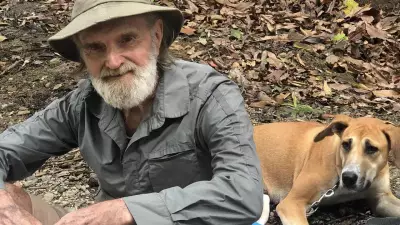
Columnist Ian Warden describes walking his dog beside the recently tempestuous lake, marvelling at its transformation into something with "actual waves." He contrasts this with the lake's usual tame state, which he finds disappointing, having grown up beside the dynamic North Sea in England.
"I struggle to see the point of a body of water like our city's lake that (most of the time) just lolls about, doing nothing," Warden writes. Winchester's book supports this view, diagnosing the world's most wind-bereft places as eerily dreary and even warning of a potential climate-changed "global stilling."
Wind as Muse and Liberator
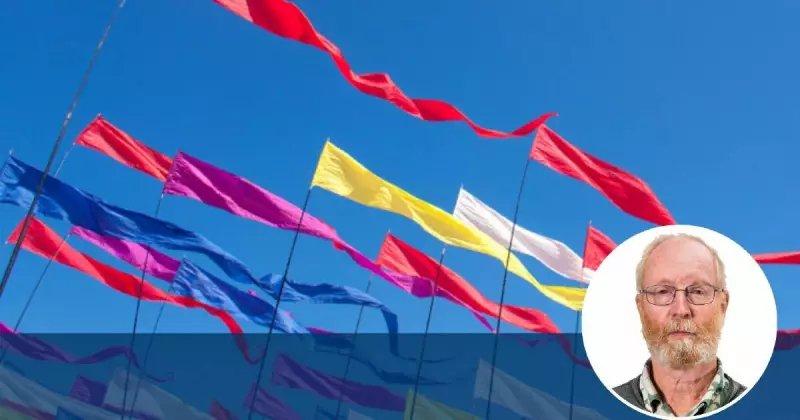
The phenomenon does more than animate water; it inspires art and liberates the city's natural environment. Winchester notes that without wind, the very concept of a flag would be meaningless. Canberra, as a flag-bedecked capital, relies on this invisible force for a core part of its symbolism.
Furthermore, wind has long been a muse for poets. Ted Hughes, in his poem Wind, describes a storm so powerful it seemed to rearrange the landscape: "The hills had new places." Warden suggests a future Canberra Poet Laureate would find a windswept city far more inspiring than a still one.
The city's famed trees also come alive, their sibilant rustles and whooshes becoming a form of speech, their branches engaged in a liberated dance. This stands in stark contrast to the ultimate windless environment: the moon. Winchester wryly notes that the US flags planted during the Apollo missions had inbuilt fake billows to simulate the proud appearance of flying in an atmosphere that doesn't exist.
The recent blustery weather serves as a powerful reminder that wind is not merely a meteorological footnote for Canberra. It is an essential, character-defining force that turns static scenery into dynamic spectacle, fills silent spaces with sound, and provides the breath of life to the city's heart—its lake.