WA Smashed by Thunderstorms: Perth's First Major Storm of 2026 Causes Power Outages
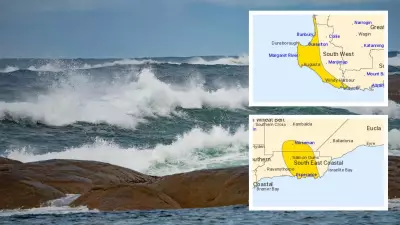
Western Australia experienced a dramatic weather event on Thursday morning as severe thunderstorms swept across the state, marking Perth's first significant storm of 2026. The wild weather brought intense lightning, thunder, and heavy rainfall to the metropolitan area and beyond, resulting in widespread disruptions and power failures.
Power Outages and Widespread Impact
The thunderstorm caused substantial damage, leaving more than 3000 homes across Western Australia without electricity. Residents reported flickering lights, fallen trees, and localized flooding in some areas, highlighting the storm's ferocity. Emergency services were on high alert as they responded to numerous calls for assistance related to the weather conditions.
This storm system moved through the region just after 8:30 AM, with residents capturing incredible photos of the event. From moody skies in Childlow to lightning strikes over beaches in Hillarys, the visual documentation showcased the storm's expansive reach. Social media platforms were flooded with images and videos, with many expressing awe at the natural spectacle while dealing with its practical consequences.

Photographic Evidence of the Wild Weather
Local photographers and residents shared a series of striking images that vividly depicted the storm's intensity:
- Childlow appeared shrouded in dark, brooding clouds as thunderstorms scattered through the area.
- Over the beach in Hillarys, lightning illuminated the sky against a backdrop of churning waves.
- Perth Airport recorded significant rainfall, with raindrops captured in detailed shots.
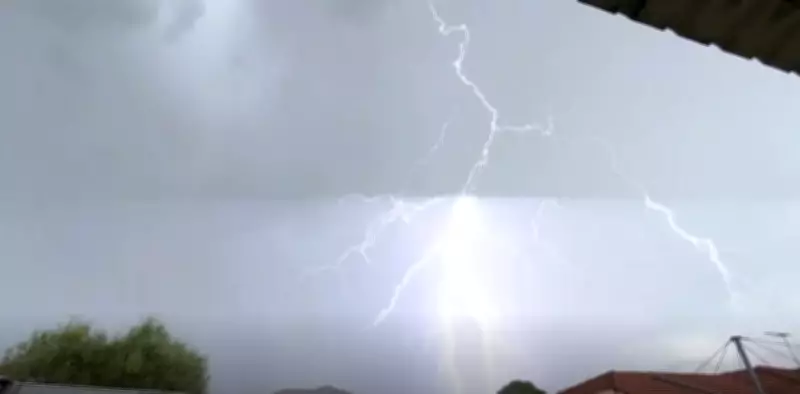
- A local resident managed to photograph a dramatic lightning strike, freezing the moment of electrical discharge.
- Helena Valley was blanketed with both lightning and rain, creating a surreal landscape.
- Canningvale showed heavily cloudy skies, indicating the storm's broad coverage.
These photos not only served as a record of the event but also helped meteorologists analyze the storm's patterns and intensity. The diversity of locations—from urban centers to coastal and valley areas—underscored how the thunderstorms impacted various parts of Western Australia simultaneously.
Broader Context and Future Outlook
This thunderstorm comes as part of a larger weather pattern affecting the region, with experts noting an increase in such events due to seasonal changes. Authorities have advised residents to stay indoors during storms, secure loose outdoor items, and report any power outages or emergencies promptly. The Bureau of Meteorology is monitoring the situation closely, with forecasts suggesting potential for more unsettled weather in the coming days.
As cleanup efforts begin, the community is reminded of the importance of preparedness for extreme weather. While the storm provided a breathtaking light show, it also served as a stark reminder of nature's power and the need for resilient infrastructure to handle such events in the future.