Severe Heatwave Warning for WA as Perth Temperatures Set to Soar to 35C
Perth is bracing for a severe heatwave this week, with forecasters warning that temperatures will surge into the mid-30s across Western Australia from Wednesday. The Bureau of Meteorology has issued alerts for hot and dry conditions, with no rain expected in the metro area for the next seven days.
Heatwave Details and Forecast
The mercury is predicted to climb steadily, starting with a warm Tuesday at 34C and peaking on Wednesday at around 35C in Perth. This marks a slight increase from earlier forecasts, driven by easterly winds pulling heat from inland regions. Overnight temperatures will offer some respite, remaining in the high teens to low 20s, while cooler mornings provide temporary relief before maximums rise.
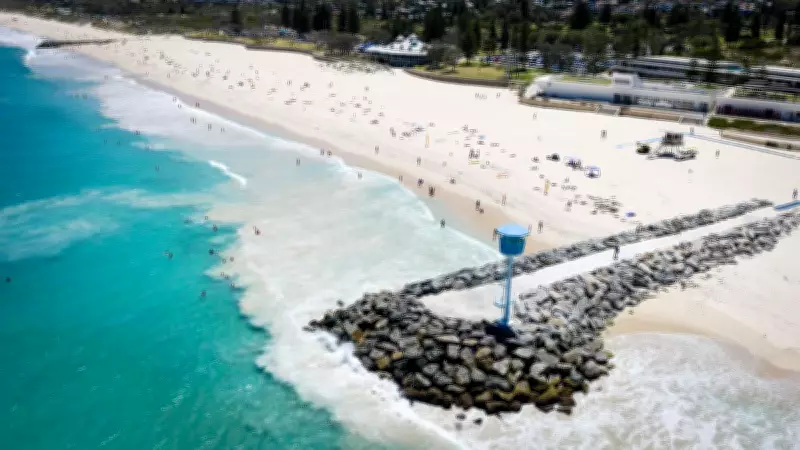
Residents can expect sunny skies throughout the week, with conditions easing slightly over the weekend but still above average for beach-friendly weather. The coastal Fremantle Doctor breeze will bring minor cooling to suburbs like Cottesloe, Fremantle, and Scarborough, though overall heat persists.

Contrasting Conditions in Northern WA
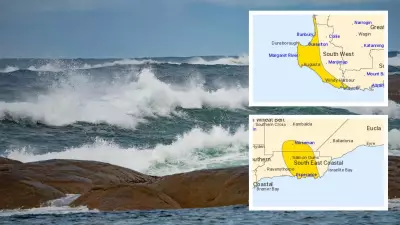
In stark contrast, northern WA has experienced severe thunderstorms, particularly in the Kimberley and Pilbara regions. On Sunday, a moist and unstable air mass triggered violent weather, leading to significant rainfall and flooding. The Fitzroy River recorded 174mm in the upper catchment, with more rain anticipated in the coming days.
Authorities issued storm warnings for towns including Telfer, Wallal Downs, Pardoo Roadhouse, Sandfire, and Shay Gap, urging residents to take immediate safety actions. The Department of Fire and Emergency Services reduced the threat level by Sunday evening, but Main Roads advises cautious driving due to flooded roads.
Weather Outlook and Safety Advice
The heatwave underscores the diverse weather patterns across WA, with Perth facing prolonged heat and the north grappling with storm aftermath. Forecasters emphasize the importance of staying hydrated and avoiding outdoor activities during peak heat hours in the south, while northern residents should monitor flood alerts and road conditions.
This event highlights the broader climate variability in the region, with clear skies dominating the south and unsettled weather affecting the north, reflecting ongoing environmental challenges.