South Australia's intense summer weather has led to a dramatic increase in incidents involving fallen trees and branches, placing significant strain on emergency services across the state.
Emergency Services Overwhelmed by Tree-Related Calls
In the month of January alone, State Emergency Service volunteers were dispatched to almost 900 separate incidents where trees or large branches had fallen, often causing obstruction and damage. This represents a sharp spike compared to typical seasonal averages, directly attributed to the prolonged period of scorching temperatures and dry conditions.
Major Property Damage Reported
Among the hundreds of callouts, one particularly severe incident resulted in major structural damage to a residential home. While specific details of the location and extent of the damage were not fully disclosed in initial reports, it underscores the potential danger and financial impact these events can have on communities.

Kapunda Volunteers Respond to Early Morning Blockage
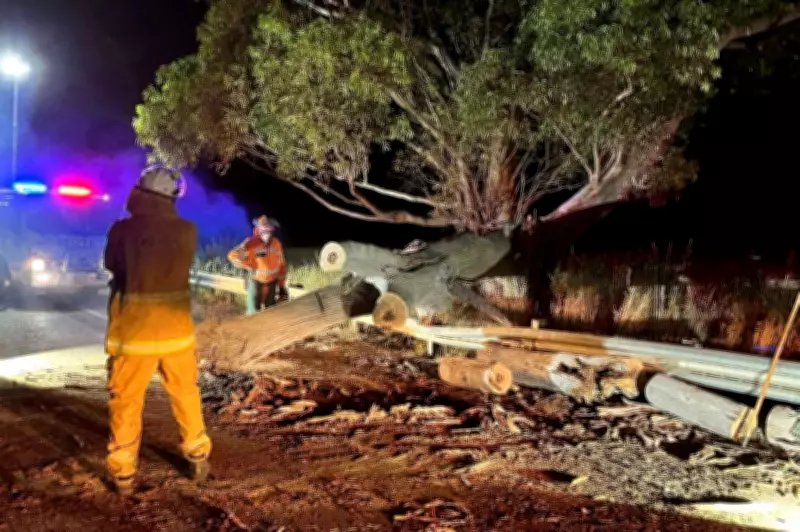
Highlighting the round-the-clock nature of this issue, Kapunda State Emergency Service and Kapunda Country Fire Service volunteers were called out in the early hours of one morning in December to address a tree that had fallen and was blocking Greenock Road. This incident, which occurred prior to the peak in January, served as an early indicator of the worsening trend as the summer heat intensified.
Underlying Causes and Community Impact
The primary driver behind this surge is the extreme summer heat, which stresses trees, particularly in urban and suburban areas. Prolonged high temperatures and lack of moisture can weaken tree structures, making them more susceptible to dropping limbs or falling entirely, especially during windy conditions.
This increase in incidents has not only kept emergency volunteers exceptionally busy but also poses ongoing risks to public safety, infrastructure, and private property. Residents are advised to be cautious around large trees during hot spells and to report any potentially hazardous overhanging branches to local authorities or the State Emergency Service.
The situation remains a clear example of how extreme weather events, fueled by seasonal heatwaves, can have immediate and tangible consequences for community safety and emergency service resources in South Australia.