Outback Rail Link Cut, Shelves Stripped Amid Multi-Day Drenching
A severe multi-day drenching has struck the Outback, leading to the cutting of a vital rail link and the stripping of supermarket shelves, causing significant disruption across the region. The relentless rainfall has overwhelmed infrastructure and strained local resources, with authorities warning of ongoing challenges.
Rail Link Severed by Floodwaters
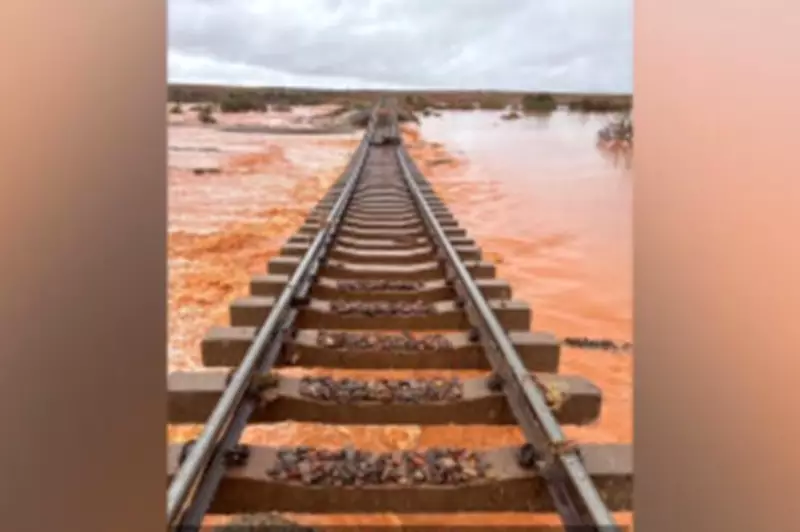
The heavy downpour has resulted in the severing of a key rail link, which serves as a crucial transport route for goods and supplies in the Outback. Floodwaters have washed away sections of the track, making it impassable and halting all rail traffic. This disruption is expected to impact the delivery of essential items, including food and medical supplies, to remote communities.
Emergency services are on high alert, working to assess the damage and begin repairs, but the ongoing wet conditions are complicating efforts. The rail operator has issued a statement advising that services will remain suspended until the track is deemed safe, with no estimated timeline for restoration.

Supermarket Shelves Emptied Amid Panic Buying
In response to the flooding and transport issues, supermarket shelves in affected areas have been stripped bare as residents engage in panic buying. Stores are reporting shortages of staples such as bread, milk, and canned goods, with restocking delayed due to the rail link cut and road closures.
Local officials are urging calm and advising residents to only purchase what they need, as supply chains are under strain. Some communities are relying on emergency deliveries by air or alternative routes, but these measures are limited in scope and capacity.
Widespread Impact and Community Response
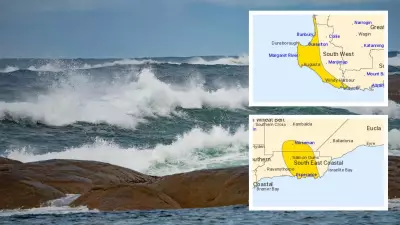
The multi-day drenching has caused widespread flooding, with some areas receiving record rainfall totals. Roads have been closed, properties damaged, and evacuation orders issued in low-lying zones. The Outback, known for its arid conditions, is unaccustomed to such intense wet weather, exacerbating the situation.
Community groups and volunteers are mobilizing to support those affected, providing shelter and assistance. However, the scale of the event is testing local resilience, with calls for increased federal and state aid to address the immediate and long-term recovery needs.
Weather Outlook and Recovery Efforts
Meteorologists predict that the drenching may continue for several more days, with further rainfall expected to hamper recovery efforts. Authorities are monitoring river levels and weather patterns closely, ready to issue additional warnings if conditions worsen.
Recovery operations are underway, focusing on restoring transport links and ensuring supply chains are reestablished. This includes temporary fixes for the rail link and coordinated logistics to bypass affected areas. The incident highlights the vulnerability of remote regions to extreme weather events and the need for robust infrastructure planning.
As the Outback grapples with this unprecedented drenching, residents are advised to stay informed through official channels and heed safety advice. The full extent of the damage will be assessed once the weather clears, but for now, the focus remains on emergency response and community support.