North Queensland Braces for Severe Weather as Record Rainfall and Tropical Low Loom
North Queensland is on high alert following unprecedented rainfall and the emergence of a tropical low, with forecasters issuing urgent warnings for residents across the region. The Bureau of Meteorology has reported record-breaking precipitation in recent days, exacerbating flood risks and prompting emergency services to prepare for potential widespread impacts.
Record Rainfall Triggers Flood Concerns
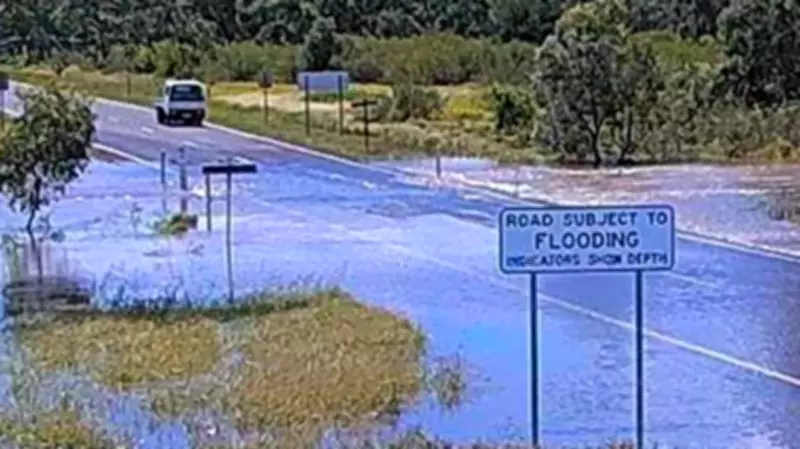
Recent weather data indicates that North Queensland has experienced its highest rainfall totals in decades, with some areas receiving over 300 millimeters in a 24-hour period. This deluge has led to significant river rises and localized flooding, particularly in low-lying communities. Authorities are closely monitoring water levels and have advised residents in flood-prone zones to remain vigilant and ready to evacuate if necessary.
Emergency services have been activated to assist with sandbagging efforts and to provide support to affected households. The Queensland Fire and Emergency Services (QFES) has urged people to avoid unnecessary travel and to stay informed through official channels as conditions rapidly evolve.

Tropical Low Adds to Weather Woes
Compounding the situation, meteorologists are tracking a developing tropical low in the Coral Sea, which poses an additional threat of heavy rain, strong winds, and possible cyclonic activity. Forecast models suggest this system could intensify over the coming days, potentially bringing further downpours and gusty conditions to already saturated areas.
"We are seeing a convergence of factors that heighten the risk of severe weather," explained a senior forecaster from the Bureau of Meteorology. "The combination of record rainfall and this tropical low means communities need to take immediate precautions."
Community Response and Preparedness Measures
Local councils and disaster management groups have sprung into action, coordinating response plans and disseminating safety information. Key preparedness steps being emphasized include:
- Securing loose items around properties to prevent wind damage.
- Stockpiling essential supplies such as food, water, and medications.
- Developing family emergency plans with clear evacuation routes.
- Regularly checking weather updates from trusted sources like the Bureau of Meteorology.
Residents are also encouraged to assist vulnerable neighbors and to report any hazards, such as fallen trees or blocked drains, to local authorities promptly.
Historical Context and Climate Implications
This event marks one of the most significant weather episodes in North Queensland's recent history, drawing comparisons to past severe storms and floods. Climate scientists note that such extreme rainfall events may become more frequent due to global warming, underscoring the need for robust infrastructure and adaptive community strategies.
As the situation unfolds, ongoing monitoring and proactive measures will be crucial to mitigate risks and ensure public safety across the region.