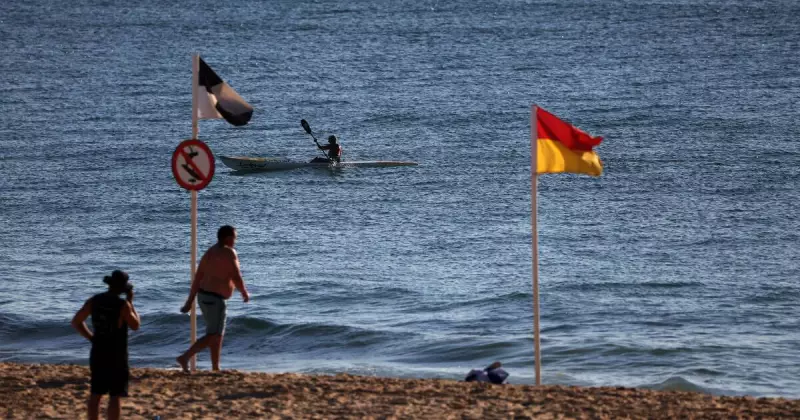
A blistering heatwave has descended upon Newcastle, Lake Macquarie, and the Hunter region, pushing temperatures to a staggering 15 degrees above the December average and triggering an extreme fire danger rating.
The scorching conditions, which began building on Friday, December 5, 2025, saw Newcastle hit 36 degrees. The mercury is forecast to climb even higher over the weekend, with inland areas expected to reach 37 to 38 degrees.
Weekend of Relentless Heat
Bureau of Meteorology meteorologist Jonathan How warned the region is in for a severe and prolonged hot spell. "Unfortunately, there's going to be some hot nights," he said.

Saturday is predicted to be the peak, with Newcastle's maximum temperature potentially soaring to 39 degrees. Areas around Toronto and the Central Coast could see the thermometer hit 40 degrees.
"Around this time in December, daytime temperatures in Newcastle are usually about 25 degrees, so we're talking about 10 to 15 degrees above average," Mr How explained, highlighting the significance of the event.
Residents will find little reprieve overnight, with temperatures unlikely to drop below 21 degrees in Newcastle on Saturday night. A cool change is not expected to move up the coast until dawn on Sunday.
Extreme Fire Danger and Dry Lightning Threat
The intense heat and dry, northwesterly winds have prompted authorities to declare an extreme fire danger rating for a vast area. This includes:
- Newcastle
- Lake Macquarie
- Port Stephens
- Cessnock, Dungog, Maitland
- Muswellbrook, Singleton and the Upper Hunter
Mr How said the conditions could also spark afternoon thunderstorms on Saturday. "The real concern across the Newcastle area will be for dry lightning, which could spark new fires, particularly given how hot and dry the winds will be," he cautioned.
While temperatures should drop to a muggy 27 degrees on Sunday with possible showers, the unsettled weather is set to continue before heating up again to 33 degrees on Tuesday.
Wildlife in Crisis as Heat Stress Takes Toll
The brutal conditions are not just affecting human residents. Native wildlife is under severe stress, with Hunter Wildlife Rescue already taking more than 40 baby flying foxes into care due to heat stress just days into summer.
Volunteers are braced for a busy weekend, with expectations of more "drops" from a flying fox camp at a Denman caravan park. Kerry Walker, vice-president of Hunter Wildlife Rescue's Hunter branch, said the babies require intensive four-hourly syringe feeding.
"They're starving at the moment because there's just not enough nectar because of the lack of rainfall over the last five weeks, so they're compromised," Ms Walker said.
She warned the dry heat is also devastating for other wildlife, as traditional water sources like drains and puddles have dried up. The community can assist by:
- Placing shallow bowls of water in shaded garden areas.
- Adding a stick or rock to bowls so smaller animals and insects can climb out safely.
- Creating cool, shaded spots and refilling water frequently.
- Keeping pets indoors and checking outdoor areas for distressed animals.
Ms Walker urged anyone who finds an injured animal to carefully place a box or laundry basket over it to provide shade and call Hunter Wildlife Rescue immediately on 0418 628 483. The public is advised to avoid handling flying foxes.