After enduring prolonged dry spells, southeastern Australia is finally receiving much-needed rainfall, bringing a mix of relief and new challenges. While northern regions like Queensland have experienced consistent wet conditions, areas in the southeast, including Melbourne and Adelaide, have faced severe drought, with grass cracking underfoot and gardens parched.
Rainfall Totals Show Stark Contrasts
In Melbourne, only 1.6mm of rain was recorded for the entire month of January, but February has brought a significant change, with 28mm falling so far, including 11mm just yesterday. Adelaide's situation is even more extreme, with exactly 0.0mm in January and only 3.6mm to date in February, as yesterday's light rain failed to make a substantial impact.
However, other areas have seen dramatic downpours. Under severe thunderstorms, parts of Victoria and South Australia received heavy rainfall, with totals including 116mm at Mt Buller, 103mm in Wodonga, 43mm in Swan Hill, 66mm at Blinman, 28mm in Yunta, and 26mm at Swan Reach. These events delivered spectacular totals across the southeast from Sunday into Monday.

More Rain and Storms Expected This Week
Yesterday's rainfall is just the beginning of what promises to be a wet week ahead. A persistent feed of tropical moisture is likely to continue, leading to multiple waves of rain and storms as weather patterns funnel moisture into the southeast.
Severe Thunderstorms Pose Flooding Risks
The next significant event is forecast for Tuesday, with Melbourne in the firing line for severe thunderstorms that could bring heavy rain and flash flooding. Unlike Sunday's steady rain, this activity will be more sporadic, with the potential for intense, localized downpours.
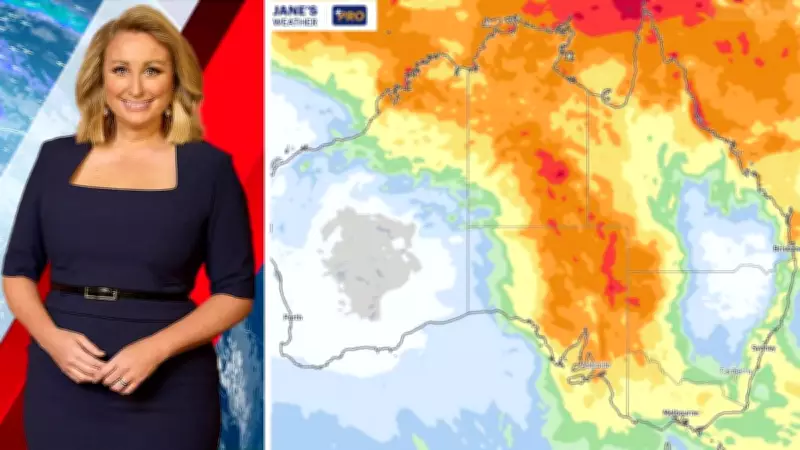
Western New South Wales and much of Victoria are expected to be impacted, while South Australia may miss this round. However, rainfall maps indicate that South Australia, including Adelaide, can expect substantial precipitation later in the week, starting on Friday and continuing through the weekend into early next week.
Potential for Above-Average Rainfall
If Adelaide experiences these hit-and-miss storms, there is a possibility of receiving more than three times its monthly average rainfall in short bursts over a few days. This could alleviate drought conditions but also raises concerns about flooding and water management.
As the week progresses, residents in affected areas should stay informed about weather updates and prepare for potential disruptions. The shift from drought to deluge highlights the unpredictable nature of Australia's climate and the importance of adaptive responses to extreme weather events.