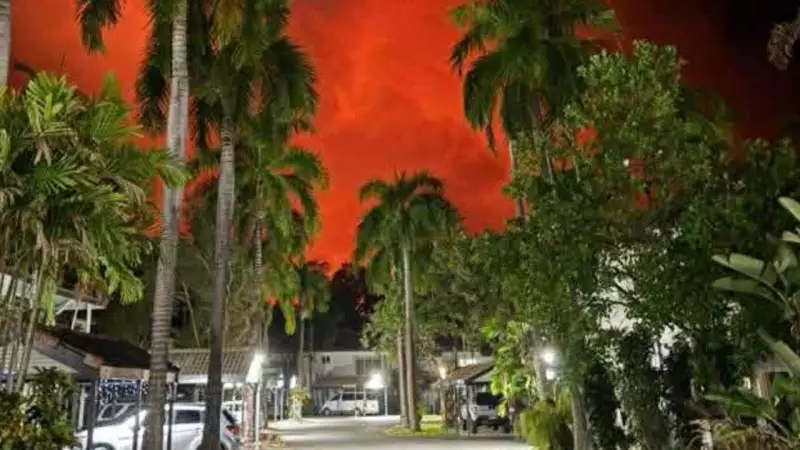
Firefighting crews across Far North Queensland are maintaining a state of high readiness as an ongoing heatwave creates dangerous conditions for vegetation fires throughout the region. The extended period of hot, dry weather has significantly elevated fire risks, prompting urgent warnings from emergency services.
Emergency Services on High Alert
The Queensland Fire and Emergency Services (QFES) has reported multiple vegetation fires across Far North Queensland, with crews responding to incidents in various locations. The combination of high temperatures, low humidity, and strong winds has created ideal conditions for fires to ignite and spread rapidly through dry grassland and bush areas.
Firefighters have been working tirelessly to contain outbreaks, conducting backburning operations and establishing containment lines around active fire fronts. The situation remains dynamic, with new ignitions possible given the current weather patterns affecting the region.

Heatwave Conditions Intensify Fire Risk
The current heatwave affecting Far North Queensland has broken temperature records in some areas, with the Bureau of Meteorology reporting consistently high temperatures across multiple days. These extreme conditions have dried out vegetation significantly, turning grasslands and bush into potential tinderboxes.
Meteorologists note that the absence of meaningful rainfall in recent weeks has compounded the situation, leaving the landscape particularly vulnerable to fire ignition. The forecast suggests the heatwave conditions may persist, maintaining the elevated fire danger across the region.
Community Safety Measures Implemented
Emergency authorities have issued specific advice to residents in affected areas, emphasizing the importance of having bushfire survival plans prepared and ready to activate if necessary. QFES is urging property owners to clear flammable materials from around their homes and maintain vigilance regarding changing conditions.
Several local communities have been placed on alert, with residents advised to monitor official channels for updates. The fire service has increased patrols in high-risk areas and is conducting aerial surveillance to detect new ignitions early.
As the fire danger period continues across Far North Queensland, firefighters remain prepared to respond to new outbreaks while continuing to manage existing fire incidents. The cooperation between rural fire services, urban fire crews, and emergency management personnel has been crucial in addressing the challenging conditions.