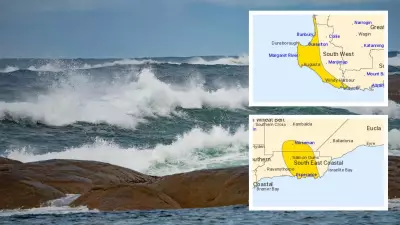
Flood Watches Issued for Tropical Coast as Ex-Tropical Cyclone Maila Dumps 200mm of Rain
Ex-tropical cyclone Maila has unleashed a deluge of over 200 millimetres of rain on already saturated catchments along Queensland's tropical coast, triggering urgent flood watches from authorities. The heavy rainfall, which has been persistent and intense, is causing significant concerns for river systems and low-lying areas that are highly vulnerable to flooding.
Widespread Rainfall and Saturated Conditions
The Bureau of Meteorology has reported that ex-tropical cyclone Maila has been dumping substantial amounts of rain across the region, with some areas recording more than 200mm in a short period. This comes after previous weather events have left the catchments thoroughly saturated, reducing their capacity to absorb additional water. As a result, river levels are rising rapidly, and there is an increased risk of flash flooding in communities along the coast.
Emergency services are on high alert, advising residents to stay informed through official channels and prepare for possible evacuation orders. The combination of heavy rain and saturated ground conditions is creating a perfect storm for flooding, with potential impacts on roads, properties, and infrastructure.

Authorities Issue Urgent Warnings
Local authorities have issued flood watches for multiple areas along the tropical coast, emphasising the seriousness of the situation. They are monitoring river gauges closely and have deployed resources to assist in flood-prone zones. Residents are urged to avoid unnecessary travel, especially near rivers and creeks, and to secure their properties against potential water damage.
The timing of this weather event is particularly concerning, as it follows a period of already wet conditions, exacerbating the flood risk. Meteorologists predict that the rain may continue in the coming days, further straining the catchments and increasing the likelihood of severe flooding.
Community Response and Safety Measures
In response to the flood watches, community groups and emergency organisations are mobilising to provide support and information. Key safety measures include:
- Staying updated with the latest weather forecasts and warnings from the Bureau of Meteorology.
- Preparing emergency kits with essential supplies such as food, water, and medications.
- Having a plan in place for evacuation if necessary, including knowing local evacuation routes.
- Avoiding driving through floodwaters, as even shallow water can be dangerous and unpredictable.
This proactive approach aims to minimise risks and ensure public safety during this hazardous weather event. As ex-tropical cyclone Maila continues to affect the region, vigilance and preparedness remain crucial for all residents in the impacted areas.