Coral Sea Cyclone Risk as Tropical System Forms Near Solomon Islands
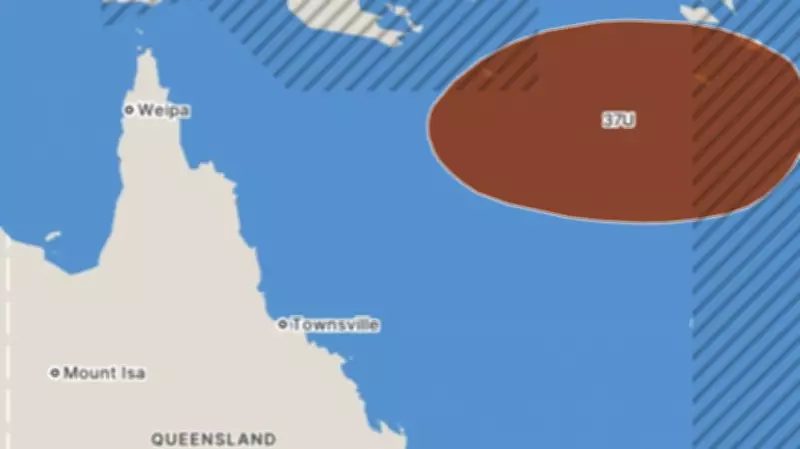
A developing tropical low near the Solomon Islands is raising concerns among meteorologists, with the potential for cyclone formation in the Coral Sea over the next few days. The Bureau of Meteorology is closely monitoring the system, which could impact Queensland's coastline if it intensifies and moves westward.
Current Weather Situation and Forecast
The tropical low is currently situated to the east of the Solomon Islands, in a region known for fostering cyclone development during the Australian summer season. Weather models indicate that the system may strengthen as it drifts into the warmer waters of the Coral Sea, where environmental conditions are becoming more favourable for cyclogenesis.
Key factors contributing to the risk include:

- Sea surface temperatures in the Coral Sea are above average, providing ample energy for storm intensification.
- Low wind shear in the area allows for better organisation of the tropical system.
- Atmospheric moisture levels are high, supporting thunderstorm activity and potential cyclone development.
Forecasters are advising residents in coastal areas of Queensland to stay updated on the latest warnings, as the situation could evolve rapidly. The Bureau of Meteorology is expected to issue regular updates, including potential cyclone watches or warnings if the system shows signs of further organisation.
Historical Context and Preparedness Measures
This development comes during the peak of the Australian cyclone season, which typically runs from November to April. The Coral Sea is a common breeding ground for cyclones that affect northeastern Australia, with past events like Cyclone Yasi in 2011 causing significant damage.
Local authorities are urging communities to review their emergency plans and ensure they have necessary supplies on hand. This includes items such as non-perishable food, water, batteries, and important documents. Residents in low-lying or flood-prone areas should be particularly vigilant, as cyclones can bring heavy rainfall, storm surges, and destructive winds.
In addition to individual preparedness, emergency services across Queensland are on standby, coordinating response efforts in case the tropical system escalates into a named cyclone. The State Disaster Coordination Centre is monitoring the situation closely, ready to activate support measures if required.
As the tropical low continues to be tracked, meteorologists will provide more detailed forecasts on its path and intensity. The public is encouraged to follow official sources for the most accurate and timely information regarding this developing weather event.