Global Sky Watchers Marvel at Final Blood Moon Until 2028
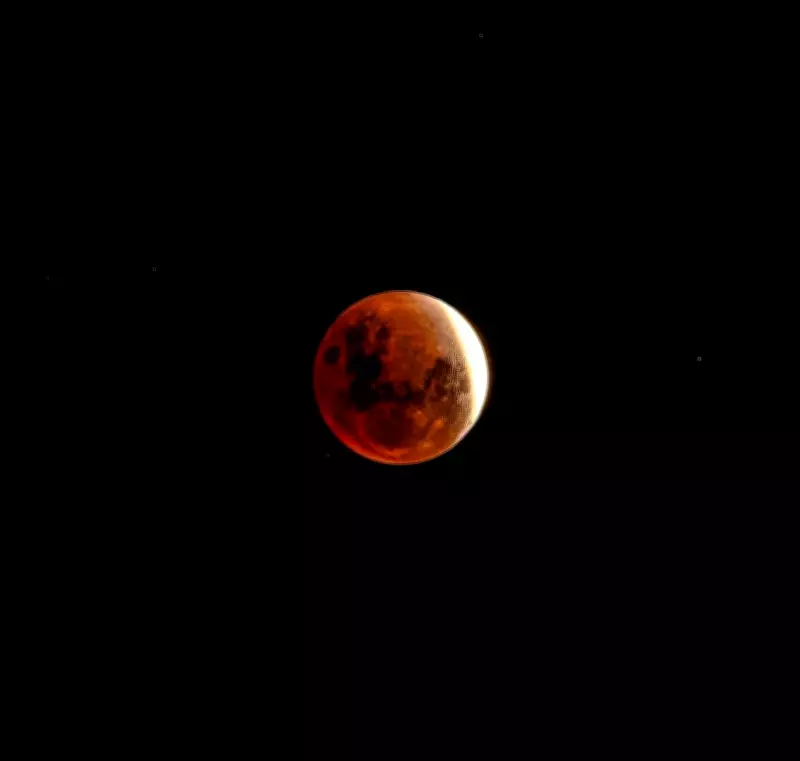
Sky enthusiasts across the globe were treated to a breathtaking celestial spectacle on Tuesday evening, as the last blood moon visible for the next two years illuminated night skies with its distinctive red hue. This rare astronomical event occurred when the Sun, Earth, and moon aligned perfectly, causing the moon to pass directly into Earth's shadow, a phenomenon known as a total lunar eclipse.
Worldwide Observations and Perth's Prominent Role
From backyards and parks to beaches and urban landscapes, people in numerous countries paused to witness the moon's dramatic transformation. The blood moon was prominently observed across Asia, various Pacific Islands, and the United States, with the period of totality—when the moon was fully immersed in Earth's shadow—lasting approximately fifty-nine minutes. In Perth, Western Australia, the event took on special significance as locals captured stunning photographs of the red super moon against familiar backdrops.
Iconic Perth Landmarks Under the Blood Moon's Glow
Perth residents documented the celestial display from multiple vantage points across the city. One local photographer captured the moon with rich blood orange hues from her backyard garden, while another image showcased the Blood Moon dominating the skies above Perth with its intense red coloration. At Kings Park, a beloved natural area among West Australians, the Blood Super Moon appeared majestically behind the iconic trees that define the region's landscape. Additionally, the Perth CBD skyline provided a striking urban contrast as the moon illuminated the city's architecture, creating a memorable scene for residents.

International Highlights and Photographic Achievements
Beyond Australia, the blood moon drew attention in other parts of the world. In Chiang Mai, Thailand, observers gathered on grassy fields next to an inflatable replica of the Blood Moon, blending celebration with observation. Meanwhile, in Auckland, New Zealand, photographers employed advanced techniques, combining multiple exposures in-camera to produce a single, detailed image of the event on Tuesday night. These efforts highlight the global fascination with such astronomical occurrences and the creativity of those documenting them.
Scientific Explanation and Future Expectations
The blood moon's red appearance results from Rayleigh scattering, where Earth's atmosphere filters out shorter blue wavelengths of sunlight while allowing longer red wavelengths to reach and illuminate the moon's surface during a total lunar eclipse. This event marks the final opportunity to witness a blood moon until 2028, making it a particularly significant moment for amateur astronomers and casual sky watchers alike. The anticipation for future celestial events continues to grow as communities worldwide reflect on this shared experience.