ACT and Googong Burns Bring Smoke to Canberra Streets
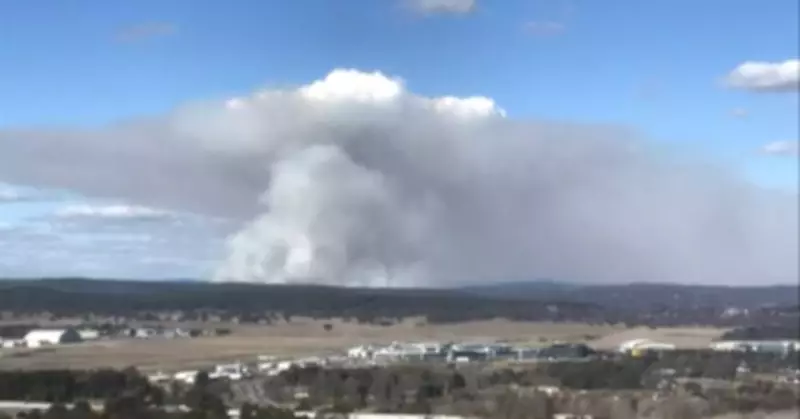
Prescribed burns in the Australian Capital Territory and nearby Googong are currently underway, leading to noticeable smoke drift into various Canberra neighborhoods. This seasonal activity, conducted by land management agencies, aims to reduce bushfire risk by clearing excess vegetation. However, the resulting smoke has raised concerns among residents about air quality and visibility in urban areas.
Why Smoke Targets Specific Streets
Experts from the ACT Emergency Services Agency explain that smoke movement is heavily influenced by local weather conditions. Factors such as wind direction, temperature inversions, and atmospheric stability play crucial roles in determining where smoke settles. For instance, during calm nights, smoke can pool in low-lying valleys, while daytime breezes may carry it across suburbs. This explains why some streets experience heavier haze than others, depending on their geographic location relative to the burn sites.
Key drivers include:

- Wind patterns that channel smoke along specific corridors
- Temperature layers that trap smoke near the ground
- Topographic features like hills that affect airflow
Safety Measures and Public Health
Authorities emphasize that prescribed burns are a proactive strategy to mitigate future bushfire threats, especially as climate change increases fire risks. While smoke can cause temporary discomfort, such as eye irritation or respiratory issues for sensitive individuals, agencies monitor air quality closely and issue advisories when necessary. Residents are advised to keep windows closed, limit outdoor activities, and use air purifiers if needed during peak smoke periods.
Long-term benefits of these burns include protecting biodiversity, reducing fuel loads, and safeguarding communities from catastrophic wildfires. The ACT government coordinates burns with neighboring regions like Googong to ensure a cohesive approach to land management.
Community Response and Future Plans
Canberra locals have reported mixed reactions, with some appreciating the fire prevention efforts and others expressing frustration over the smoke. In response, agencies are enhancing communication through social media and alerts to keep the public informed about burn schedules and expected smoke impacts. Looking ahead, planned burns will continue through the cooler months, with adjustments made based on weather forecasts to minimize disruption.
Overall, while the smoke from ACT and Googong burns may temporarily affect streets, it represents a critical component of Australia's broader environmental and safety strategy. Residents are encouraged to stay updated via official channels for real-time information on air quality and burn activities.