The Cooling Power of Urban Trees in Australian Suburbs
In the face of escalating heatwaves and rising urban temperatures, a groundbreaking study has highlighted the critical role of trees in keeping Australian suburbs cool. Research conducted across various metropolitan areas demonstrates that strategically planted urban greenery can lower local temperatures by several degrees, providing a natural and cost-effective solution to the urban heat island effect. This phenomenon, where built-up areas experience higher temperatures than surrounding rural regions, poses significant health and environmental risks, making the findings particularly timely for communities nationwide.
Scientific Insights into Temperature Reduction
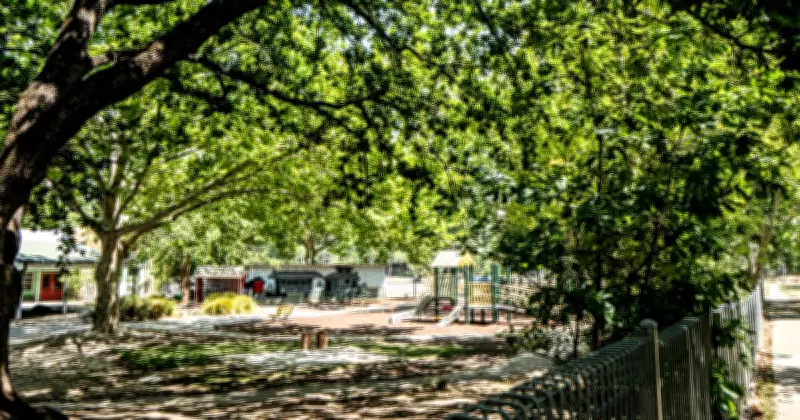
The study, which analyzed data from suburbs in cities like Sydney, Melbourne, and Brisbane, found that areas with dense tree cover experienced temperature reductions of up to 5 degrees Celsius compared to barren or paved zones. Trees achieve this cooling effect through a process called evapotranspiration, where water absorbed by roots is released into the air as vapor, effectively acting as natural air conditioners. Additionally, shade from tree canopies blocks direct sunlight, reducing surface heat absorption and creating more comfortable microclimates for residents. These benefits are especially pronounced during extreme heat events, which are becoming more frequent due to climate change.
Environmental and Community Benefits
Beyond temperature control, urban trees offer a multitude of advantages for Australian suburbs. They improve air quality by filtering pollutants, enhance biodiversity by providing habitats for wildlife, and contribute to stormwater management by absorbing rainfall. From a social perspective, green spaces with ample tree cover foster community well-being, encouraging outdoor activities and reducing stress levels. Economically, properties in tree-lined streets often see increased value, and energy costs are lowered as less air conditioning is required. This multifaceted impact underscores why urban forestry should be a priority in suburban planning and development.

- Planting native tree species that are well-adapted to local climates and require less water.
- Focusing on strategic placement near buildings, roads, and public spaces to maximize shade and airflow.
- Maintaining existing tree canopies through regular care and protection from development pressures.
- Integrating trees with other green infrastructure, such as parks and gardens, for synergistic cooling benefits.
Challenges and Future Directions
Despite the proven benefits, implementing widespread tree planting in Australian suburbs faces challenges. Urban sprawl, limited space, and competing land uses often hinder green initiatives, while issues like drought and pests threaten tree health. However, experts advocate for policy reforms that prioritize green infrastructure in urban planning, including incentives for homeowners and developers to incorporate trees. Looking ahead, as climate change intensifies, investing in urban forestry could be a key strategy for building resilient, livable suburbs that can withstand future heatwaves and environmental stresses.
In summary, trees are not just aesthetic additions to Australian suburbs but vital tools for cooling and sustainability. By embracing their potential, communities can create healthier, more comfortable environments while addressing broader climate challenges.